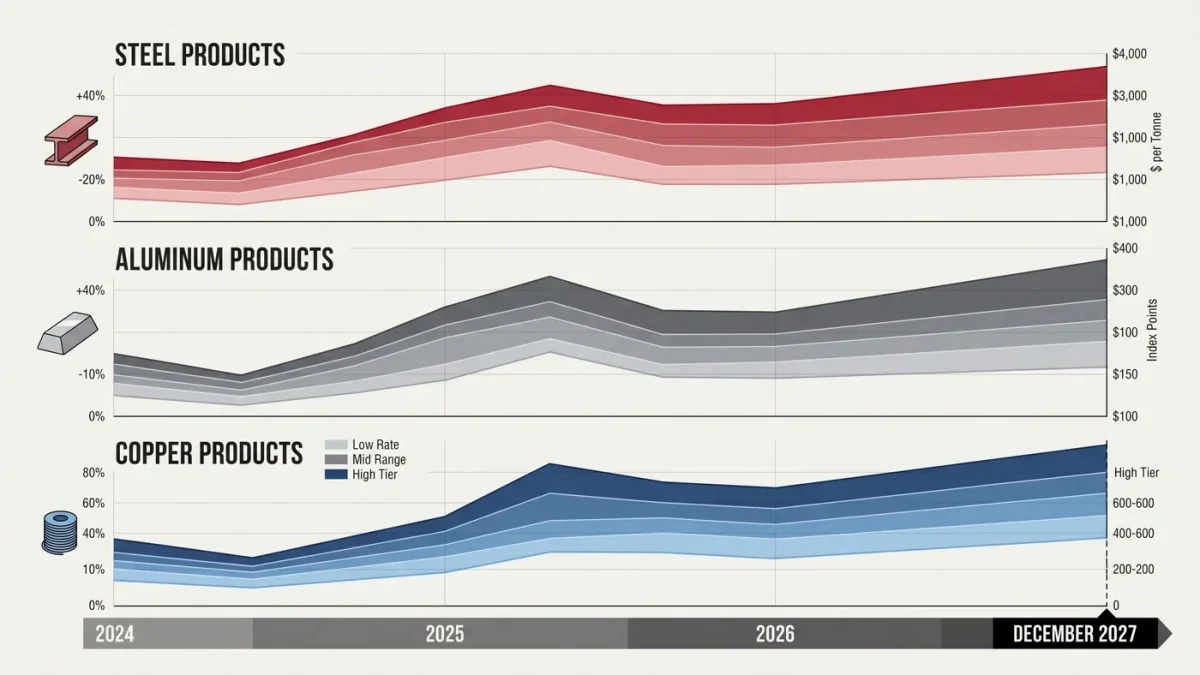
The June 1, 2026 presidential proclamation further adjusting the Section 232 tariff regimes for aluminum, steel and copper imports takes effect August 6, 2026, per the White House. The modification builds on Proclamation 11021 of April 2, 2026, which restructured all three metals regimes, and per White & Case it removes certain steel and aluminum derivative products from tariff coverage altogether while cutting duties where metal content falls below new thresholds.
This publication covers the trade action, not customs advice; classification and valuation questions should go to customs counsel before the effective date.
What changes on August 6
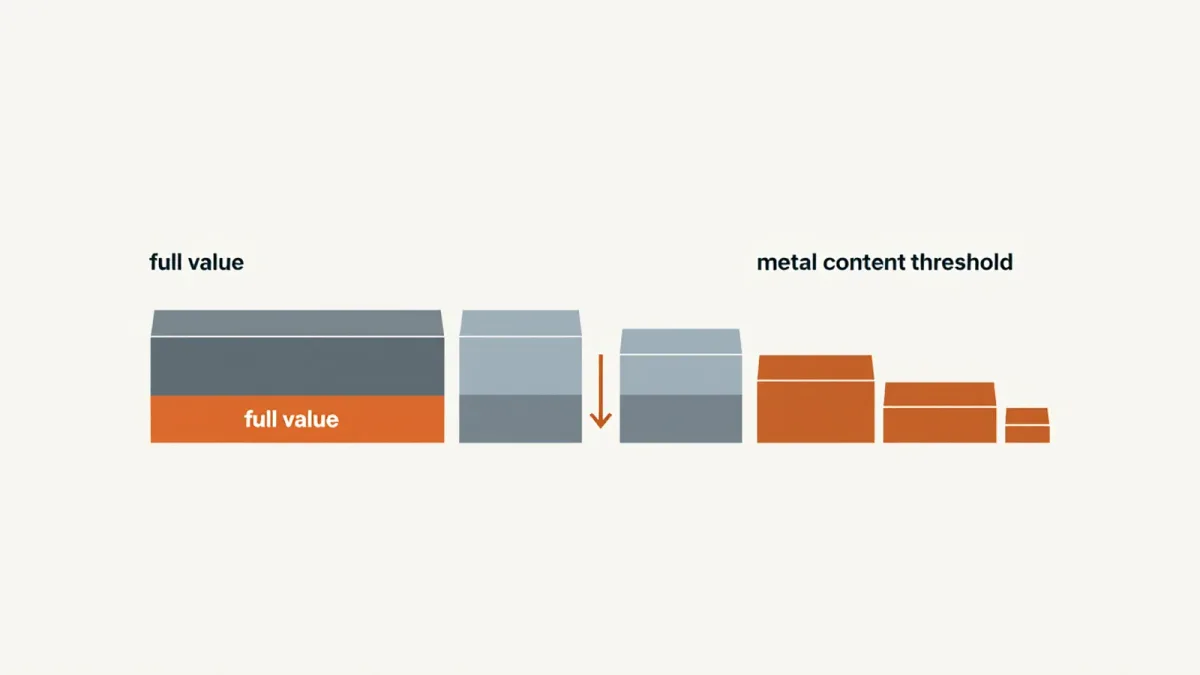
The June proclamation reworks the duty base. Per Thompson Hine's analysis, a 25 percent Section 232 tariff continues on covered steel, aluminum and copper articles, applied to the full value under Annex I-B, while other annexes introduce new duty-calculation methods keyed to metal content: products whose steel, aluminum or copper share falls below defined thresholds qualify for reduced rates. Some derivative products — components previously swept into the metals regime — leave the scope entirely, reversing the inclusion-list strategy of earlier rounds.
| Provision | Before | After August 6 |
|---|---|---|
| Core metal articles | 25 percent | 25 percent, full value |
| Low metal-content derivatives | duty on full value | reduced rates by threshold |
| Certain removed derivatives | in scope | out of scope |
Which industries see relief
Downstream manufacturers have complained since 2025 that duties on the full value of a finished good — a machine tool, a fastener assembly, an appliance part — taxed far more metal than the product contained. The threshold approach answers that: per Amundsen Davis's alert on the duty cuts, US businesses importing metal-light finished goods see their duty burden fall proportionally. Fabricators, appliance makers and construction-products importers gain margin; primary producers lose the phantom protection the full-value method gave them against downstream imports.
- Automotive and appliance tier suppliers with derivative-product imports should re-audit HTS classifications against the new annexes.
- Customs brokers face a re-papering cycle as entry calculations change on August 6.
- Domestic mills and smelters lose the widest reading of their tariff shield, the cost of winning allies among manufacturers.
Why the April-June sequence matters
Proclamation 11021 in April rebuilt the three metals regimes as a single architecture; the June proclamation tuned it after commenters quantified the over-taxation problem. The two-step shows Section 232 becoming a managed system rather than a static wall — rates and scopes now move by annex amendment, with an effective-date lag importers can plan around.
What does this change?
After August 6, the duty a company pays tracks the metal it actually imports, not the box it ships in — a structural shift toward targeted protection worth real dollars to importers of finished goods, and a narrower moat for metal producers. The next annex adjustment, on past form, is a matter of when, and each one re-prices supply chains that took years to route.