The People Who Run Elections: A Day in the Life
Long before ballots are counted, local election officials are doing the unglamorous work that makes counting possible.
Long before ballots are counted, local election officials are doing the unglamorous work that makes counting possible.


The field's hiring gap is wide enough that certifications, home labs and entry-level IT work can outrank a diploma.

The Hague summit communique commits allies to 5 percent of GDP by 2035 — but the split between core defense and infrastructure does the real work.

BrightSpring, Clover and agilon all route federal reimbursement through different rails, and the numbers show how much each depends on Washington.

The field's most practical textbook came from a political scientist who insisted that the best of the feasible is the best you get.
A shutdown is not a light switch Washington flips on and off. It is a legal chain reaction set in motion by one missed deadline, one 1870s-era statute, and a narrow set of exceptions that decide who keeps working and who does not.
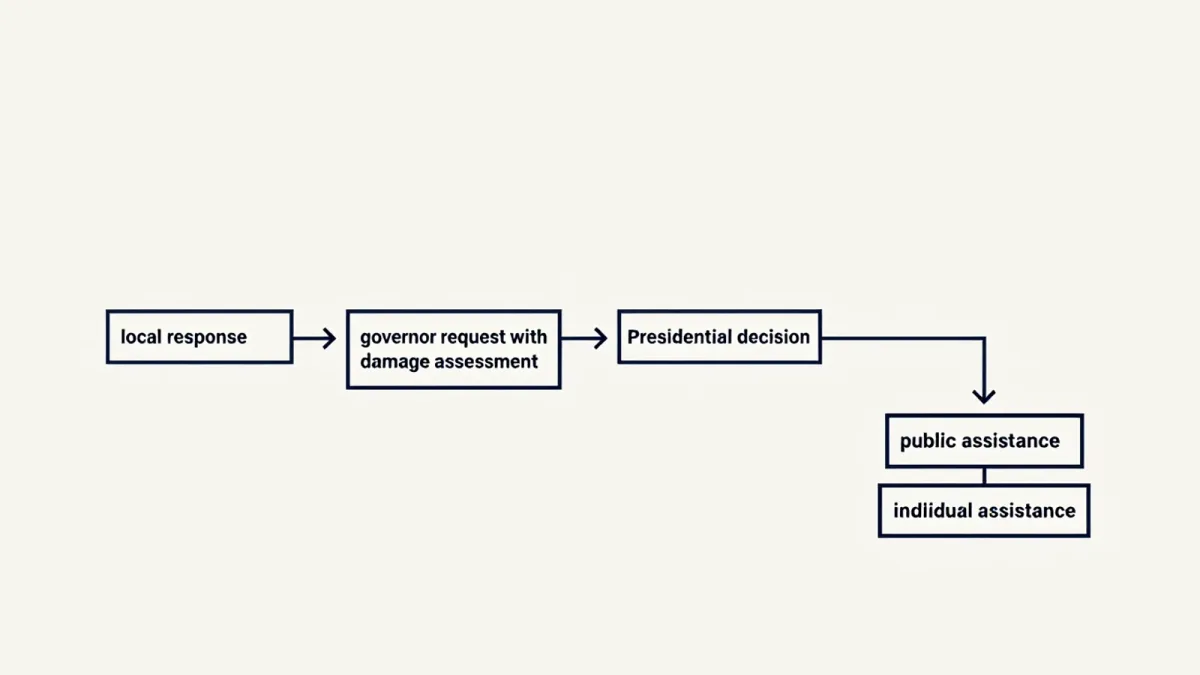
Federal disaster aid begins with a governor's request under the Stafford Act, passes through joint damage assessment, and ends with the president's signature — a pipeline with published thresholds and political variables.

Civic duties are what the law asks of you; constitutional guarantees are what the law owes you — and the two are not the same thing.
The RISAA extended the warrantless program for two years — and quietly narrowed the FBI's rules while widening who can be searched.
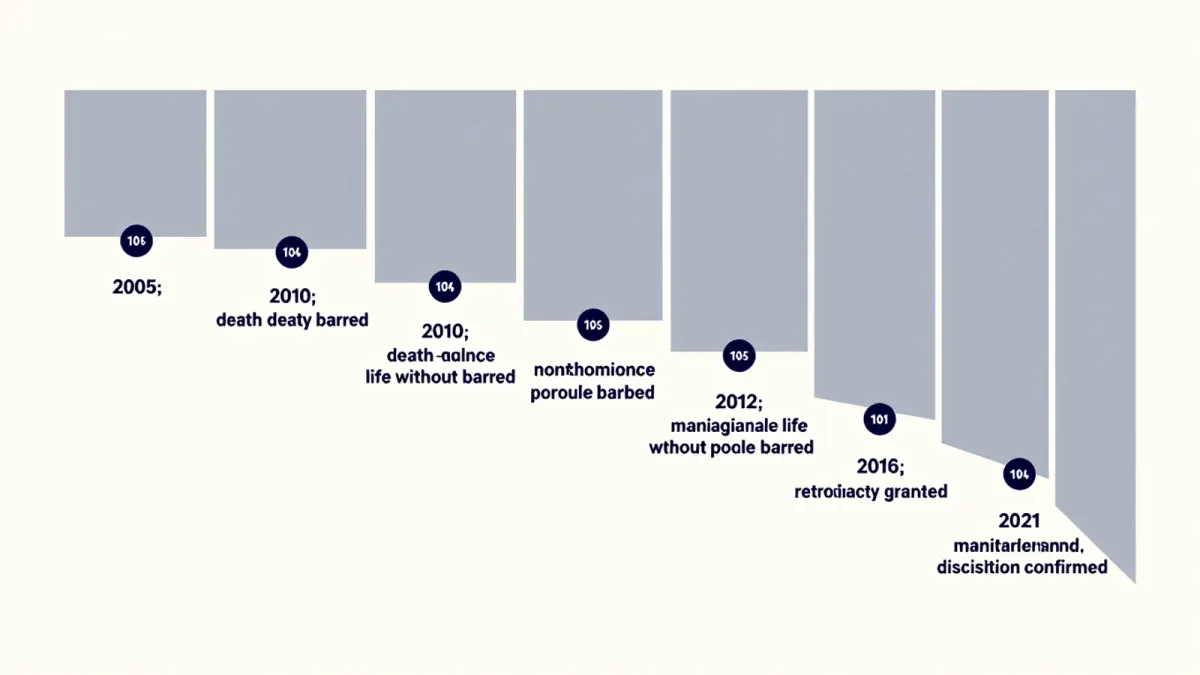
Mandatory life without parole for minors has been unconstitutional since 2012, retroactive since 2016, and discretionary since 2021 — three cases that drew today's sentencing map.
A 2024 rule set a firm technical standard for state and local government websites; a 2026 extension pushed compliance back a year without changing what the standard demands.
Public records laws decide release state by state, and the gap between a California 45-day clock and a North Carolina court order is where most footage fights happen.
The 2026 decision in Louisiana v. Callais rewired the Gingles framework, demanding evidence of intentional race-based map-drawing — and the vote-dilution lawsuit is being rebuilt around it.

Both systems move the moment of voting weeks before Election Day, and both lean on the same chain of custody to keep the count honest.
The president is not chosen by the national popular vote but by 538 electors, and the rules that produce that number explain most of what confuses voters.
The CR is a stopgap that freezes last year's budget in place — and its fine print, not the headline date, decides what agencies can and cannot do.
The statute's power is not the sixty-day clock but the clause barring an agency from ever writing the rule again.
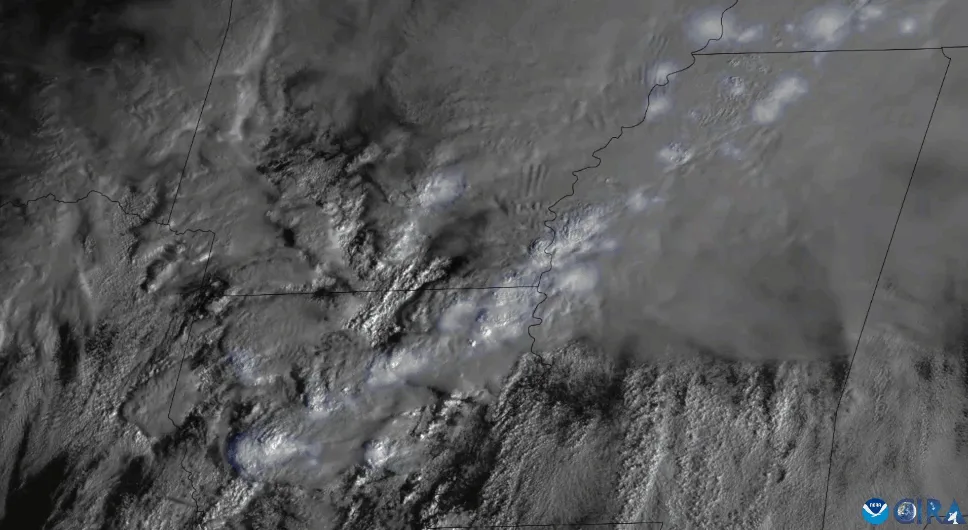
Each severe weather alert carries a precise meaning set by one agency. Knowing the difference between a watch and a warning can change what you do next.
Cross a state line and the pump price can jump, even though the fuel is largely the same. Taxes, rules, and geography explain most of the gap.
The national debt is the running total of what the federal government owes its lenders. It is held by the government itself, private investors, and foreign countries.
The Congressional Review Act's power sits in a 60-day clock and a 10-hour Senate debate cap, not in the vote itself.

Gallup's new numbers show a sharp drop in trust in Washington, but the partisan split and a stubborn 49-point power gap tell a more complicated story.
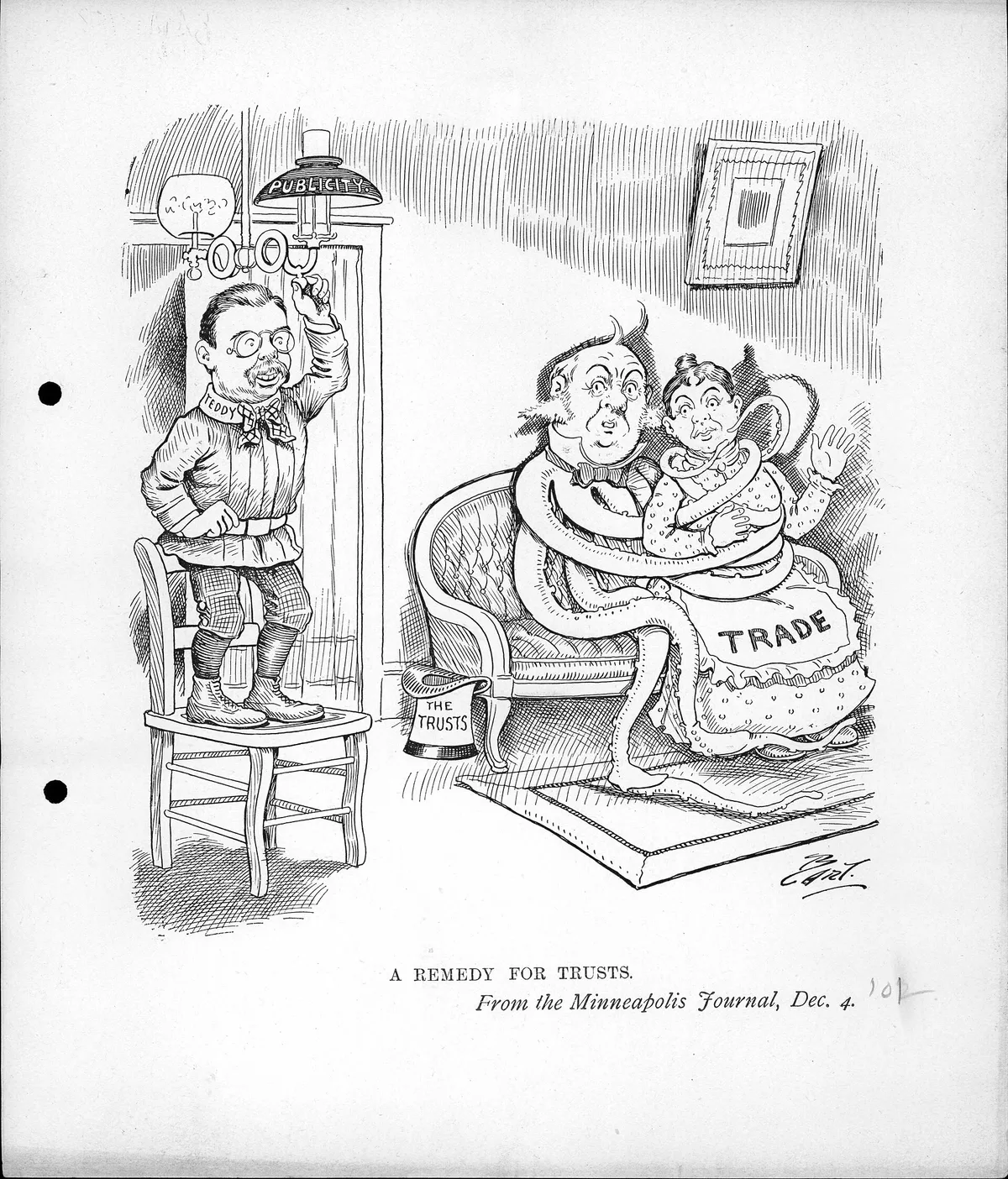
Winning a monopoly case is the easy half; the fight over what the court actually orders is where remedies live or die.

The rules a department writes reach farther than any law Congress passes this year.
An executive order runs the executive branch. It cannot write law, spend money, or survive a court that says it exceeds the president's authority.