
How Does the Electoral College Work? Electors, 270 and the Popular-Vote Gap
The president is not chosen by the national popular vote but by 538 electors, and the rules that produce that number explain most of what confuses voters.
Mechanics of federal government: appropriations, nominations, ethics rules, administrative procedure, shutdown deadlines and each branch's oversight tools.
The president is not chosen by the national popular vote but by 538 electors, and the rules that produce that number explain most of what confuses voters.

The CR is a stopgap that freezes last year's budget in place — and its fine print, not the headline date, decides what agencies can and cannot do.

The statute's power is not the sixty-day clock but the clause barring an agency from ever writing the rule again.
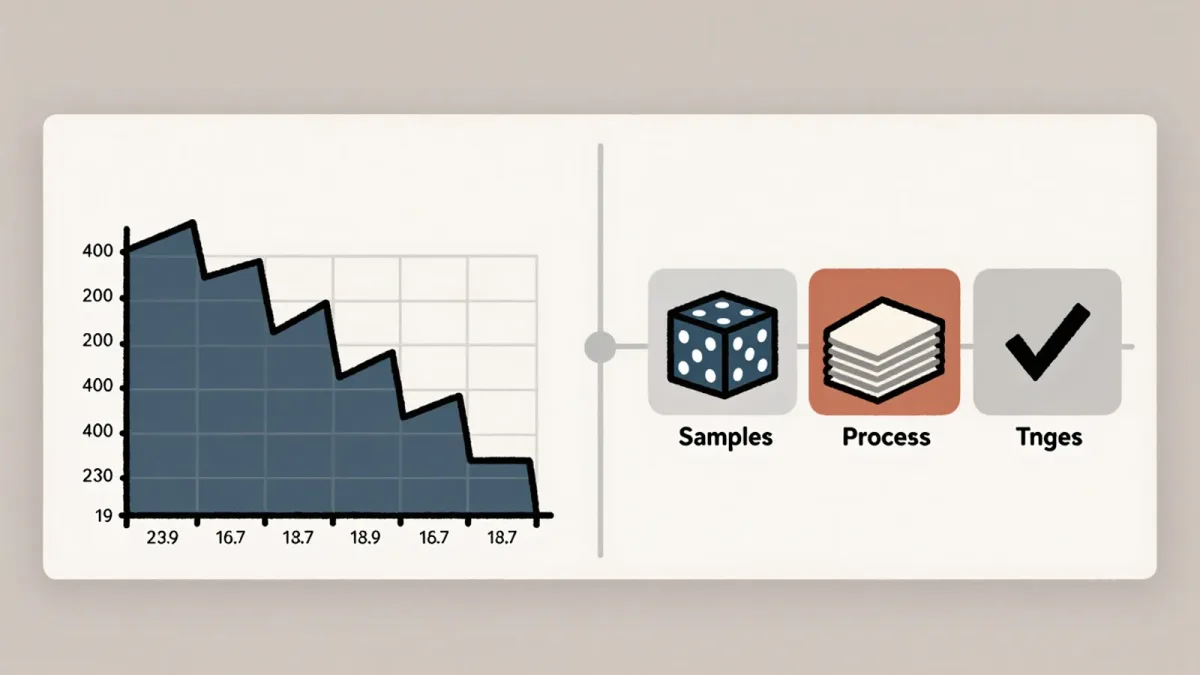
A risk-limiting audit hand-examines a random sample of ballots large enough that, if the reported outcome is wrong, the audit has a known maximum chance of failing to catch it — the only post-election audit with a statistical guarantee attached.

Congressional and legislative maps are redrawn on the census clock — data in year one, maps in years one through three — but nothing in federal law stops a state from redrawing mid-decade, as 2025 demonstrated.

The federal fallback ballot created in 2002 counts only after election officials verify the voter's eligibility and place the ballot in the right jurisdiction — and most rejections come from the jurisdiction test, not fraud.