
How a Cabinet Secretary Shapes Everyday Life
The rules a department writes reach farther than any law Congress passes this year.
How federal decisions reach the economy: tariffs, tax provisions, antitrust actions, subsidies and regulatory costs traced to industries and payrolls.
The rules a department writes reach farther than any law Congress passes this year.

An executive order runs the executive branch. It cannot write law, spend money, or survive a court that says it exceeds the president's authority.

A fixed statutory clock decides most foreign-investment cases, and a 2025 policy memo now sorts which deals move fast and which face a wider net.
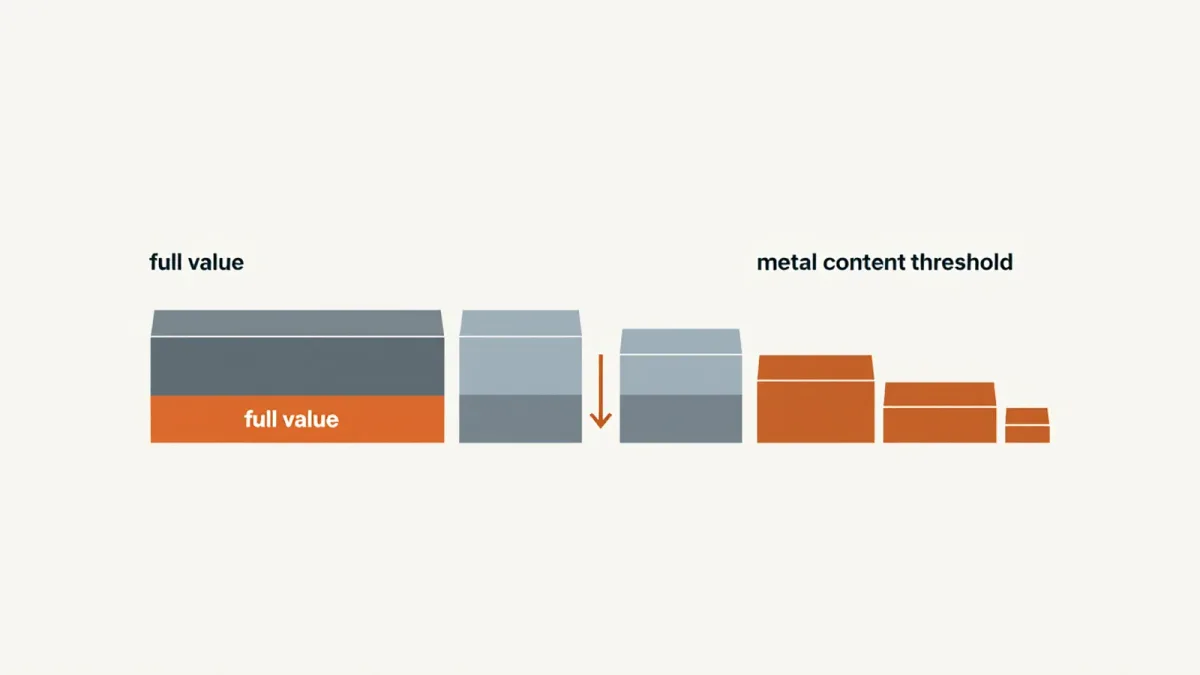
The June 1, 2026 proclamation modifying Section 232 duties on steel, aluminum and copper cuts rates for some products and removes others entirely, with an August 6 effective date.

Section 122 of the Trade Act of 1974 caps emergency tariffs at 150 days, and the February 24 global duty hits that limit with no extension bill moving.

The CFPB's April 22, 2026 amendments to Regulation B, narrowing disparate-impact and discouragement claims under the Equal Credit Opportunity Act, take effect July 21 even as a lawsuit targets the rule.