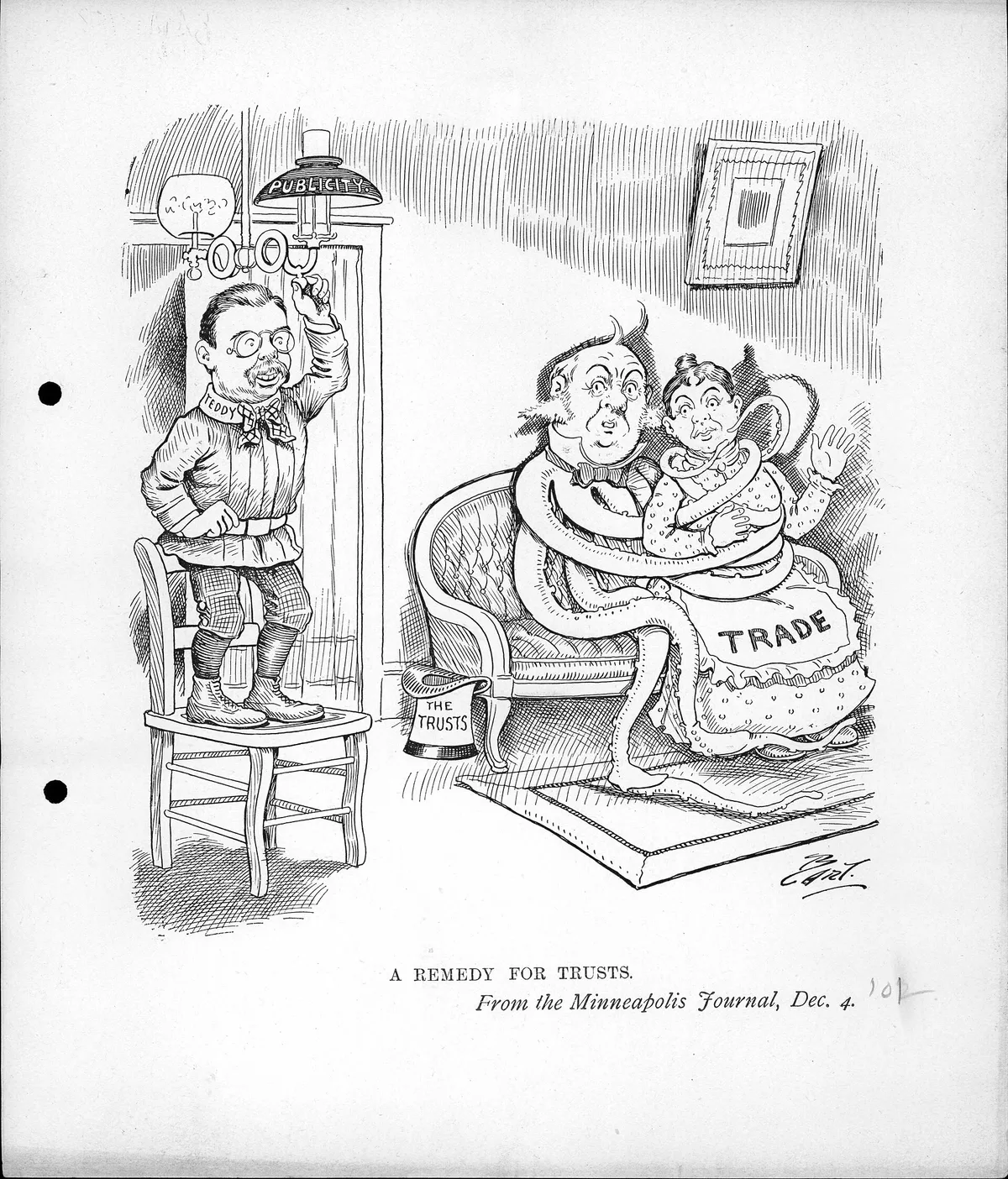
Antitrust remedies are the orders a court or regulator can impose after finding that a company broke competition law: sell off parts of the business, stop certain contracts, or live under supervision for years. The remedy, not the liability finding, is what changes a market. A monopoly judgment with a weak remedy changes almost nothing.
The menu is shorter than the headlines suggest. Courts can order structural relief, meaning a breakup or divestiture. They can order conduct relief, meaning rules on how the company behaves. Or the parties can settle on a consent decree that mixes the two. Each tool works, and each fails, in predictable ways. Consider the long arc of Europe's Android case: Ground News reported that the European Court of Justice dismissed Google's appeal in July 2026, leaving in place a €4.1 billion fine over Android restrictions that required phone makers to pre-install Google apps — on a system running about 70% of mobile devices. A fine is the simplest remedy of all, and even it took years to survive appeal.
What can a court actually order after a monopoly finding?
A court can order three broad things. Structural relief changes what the company owns: divestitures, spinoffs, or a full breakup into separate firms. Conduct relief changes what the company does: bans on exclusive contracts, requirements to share access, or rules against tying one product to another. Monetary relief — fines in Europe, damages in private US suits — transfers money rather than changing structure.
Judges generally prefer the narrowest order that fixes the problem. That instinct protects defendants from overreach, but it also means the boldest remedies tend to arrive only after the record shows the conduct rules cannot work. Remedies are calibrated to the violation, and appeals can trim them further.
How does a structural remedy — a breakup — actually work?
A breakup order tells the defendant to divest assets: sell a division, spin off a unit to shareholders, or split into independent companies. The court names what must go and sets a timetable. If the company cannot find buyers on acceptable terms, the judge can appoint a trustee to sell the assets anyway.
Structural relief has one great virtue: it is self-enforcing. Once two firms exist, no monitor is needed to keep them apart. It also has one great cost: courts must draw the lines, and markets do not always match the org chart. A divested unit can emerge weaker than the parent, or the pieces can keep cooperating in ways the order never anticipated. That is why breakups are rare and usually reserved for cases where the monopoly itself, not just one practice, is the problem.
What is a conduct remedy, and why do regulators reach for it first?
A conduct remedy regulates behavior. The order might prohibit exclusive dealing, force the company to deal with rivals on equal terms, or bar it from punishing partners who choose competitors. The Android case shows the shape: the European Commission objected to Google tying its apps to Android and restricting rival Android versions, and the remedy aimed at those specific practices rather than at Google's existence. This connects to our earlier piece, Metals Tariff Rejig Takes Effect August 6: Who Wins, Who Pays.
Conduct remedies are faster and easier to tailor. But they need policing. Someone — a monitor, a regulator, a court — must read the compliance reports, hear complaints from rivals, and decide what the order means when a company innovates around the edges. Enforcement can stretch for a decade, and a well-resourced defendant can litigate every ambiguity. The fee, in a sense, sits with the enforcer, and the enforcer eats it.
What is a consent decree, and who approves it?
A consent decree is a settlement filed with a court. The defendant agrees to specific obligations without admitting liability, and the decree carries the force of a court order: violating it can bring contempt sanctions. In federal antitrust cases, proposed decrees go through a public comment period before a judge approves them, and the final document typically includes a compliance monitor and a term of years.
Decrees trade breadth for speed. The agency gets enforceable commitments now instead of a judgment after years of appeals. The company avoids a liability finding that plaintiffs could piggyback on. Critics call the trade too generous; defenders call it the only realistic way to close a case. Both are right, depending on the terms — which is why the text of the decree, not the press release announcing it, is the document that matters.
What this means: how remedies play out over years
Every remedy runs on a clock measured in years. Liability takes years to establish. Appeals add more. Conduct remedies then live through their supervision period, with compliance disputes standing in for the litigation the settlement avoided. Structural remedies take years to execute even after the order, because separations of that size are corporate surgery.
Our analysis of the pattern: the remedy is where an antitrust case is really won or lost, and public attention almost never follows it there. Two practical checks help a reader evaluate any headline about a remedy. First, ask what the order actually requires — a promise to "share access" means little until the terms, pricing, and dispute process are written down. Second, ask who enforces it and for how long; an order without a monitor and an end date tends to fade. Readers who want the machinery behind the cases can follow how agencies set their competition rules in the first place, including the current review of rules for competitor collaborations, or how the government screens deals before they close through the merger review process. Readers following this should also see DOJ and FTC Open Review of Rules for Competitor Collaborations.
Money remedies look decisive and often are not. The Android fine is Europe's largest, and Ground News reports Google has accumulated close to €11 billion in EU antitrust fines over the past decades — a sum that, whatever its deterrent effect, left the company's position in mobile search and apps intact. Fines punish; they do not restructure. That is the core reason regulators on both sides of the Atlantic keep reaching for conduct and structural orders in the biggest platform cases, and why the fights over those orders will outlast the verdicts that produced them.
Where the remedy debate goes from here
The live question in competition policy is no longer whether large platforms can be challenged — courts have answered that — but what courts are willing to order against them. Structural proposals face the line-drawing problem described above. Conduct proposals face the enforcement-burden problem. The likely equilibrium, judging by what regulators have actually sought, is long, detailed conduct orders with independent monitors, backed by the threat of structural relief if compliance fails.
For businesses, the practical takeaway is procedural: remedy design is now a battleground in its own right, from the remedies phase of litigated cases to the commitments negotiated in settlements. For consumers, the effect arrives indirectly — through prices, defaults, and which apps come pre-installed on the next phone. The order that changes those defaults may be a paragraph buried on page 40 of a decree nobody reads. That paragraph is the real story.