
How to Get Into Cybersecurity Without a Degree
The field's hiring gap is wide enough that certifications, home labs and entry-level IT work can outrank a diploma.
Coverage spanning defense posture, intelligence oversight, homeland security and cyber threats to infrastructure, built on testimony and public documents.
The field's hiring gap is wide enough that certifications, home labs and entry-level IT work can outrank a diploma.

The Hague summit communique commits allies to 5 percent of GDP by 2035 — but the split between core defense and infrastructure does the real work.

Stopgap funding freezes weapons programs at last year's levels and bars new starts, and the compliance costs surface long after the shutdown threat that triggered it fades.
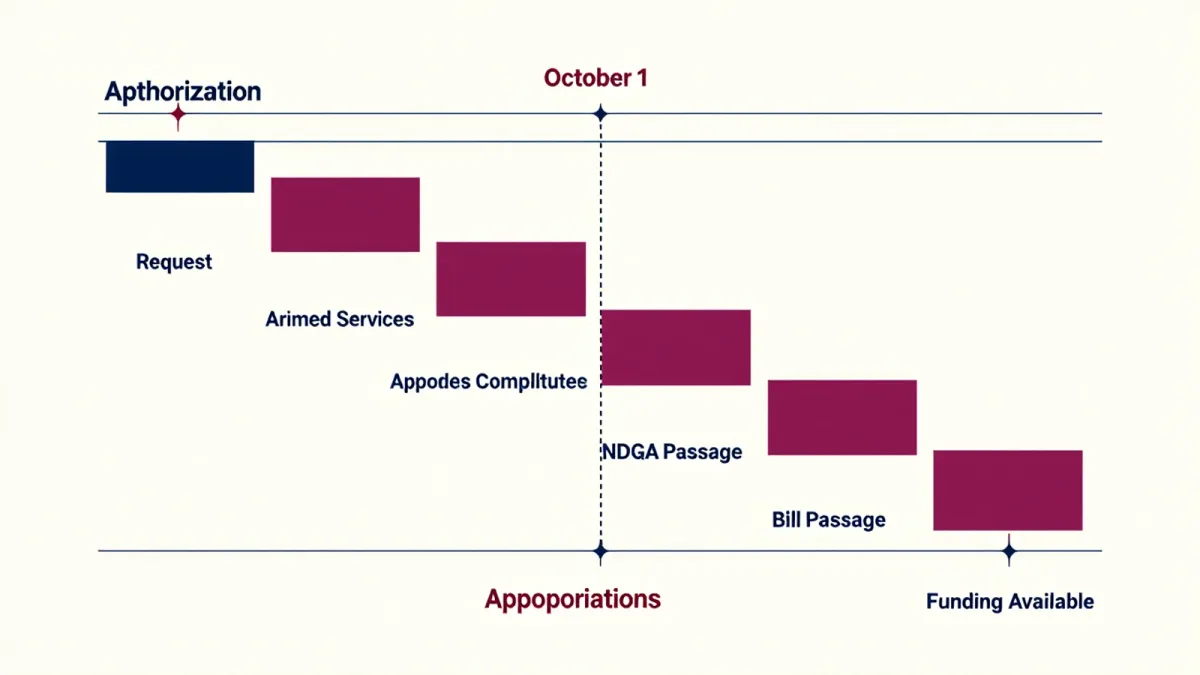
Congress writes two different defense numbers every year — the NDAA's authorization and the appropriations bill's budget authority — and only one of them lets the Pentagon spend a dollar.

About a billion dollars a year flows from FEMA to states and big cities for terrorism prevention and preparedness — through a formula-and-competition machine shaped by risk scores and spending rules.

The US military catalog of tracked orbiting objects has swelled past 47,000 entries, and keeping two of them from colliding has become a Space Force mission in its own right.