
Rights and Responsibilities of US Citizens Explained
Civic duties are what the law asks of you; constitutional guarantees are what the law owes you — and the two are not the same thing.
Constitutional litigation followed through the courts: voting access, privacy, speech, due process and equal protection, with holdings quoted accurately.
Civic duties are what the law asks of you; constitutional guarantees are what the law owes you — and the two are not the same thing.

The RISAA extended the warrantless program for two years — and quietly narrowed the FBI's rules while widening who can be searched.
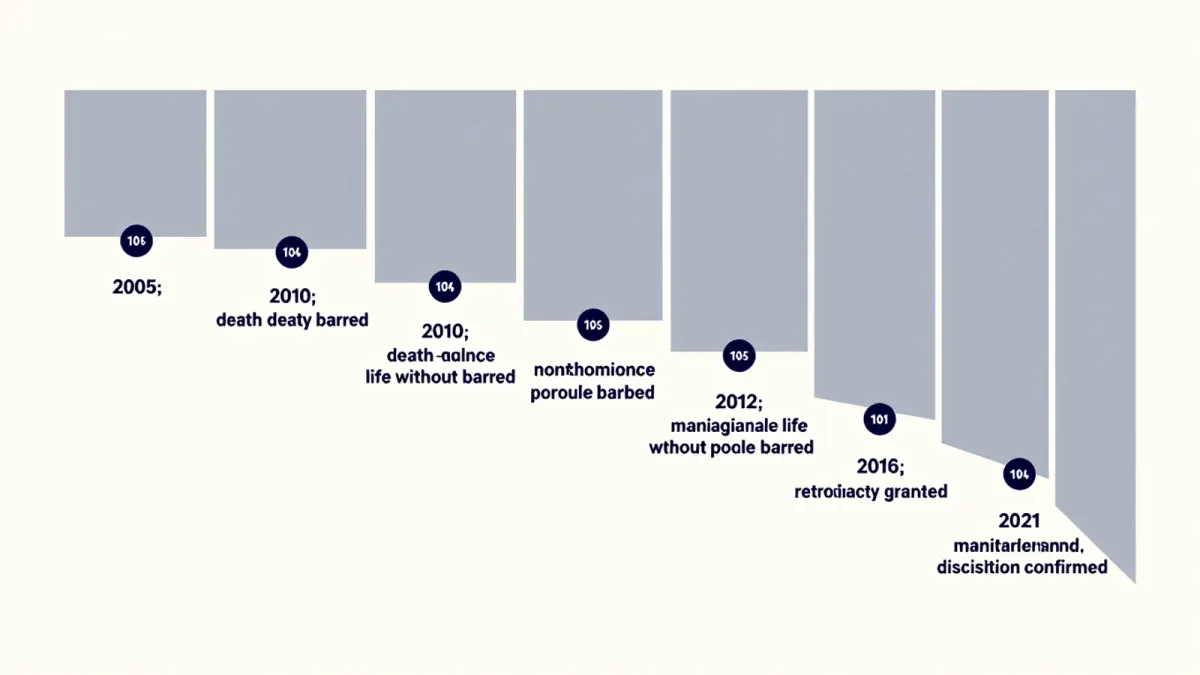
Mandatory life without parole for minors has been unconstitutional since 2012, retroactive since 2016, and discretionary since 2021 — three cases that drew today's sentencing map.
A 2024 rule set a firm technical standard for state and local government websites; a 2026 extension pushed compliance back a year without changing what the standard demands.

Public records laws decide release state by state, and the gap between a California 45-day clock and a North Carolina court order is where most footage fights happen.

The 2026 decision in Louisiana v. Callais rewired the Gingles framework, demanding evidence of intentional race-based map-drawing — and the vote-dilution lawsuit is being rebuilt around it.