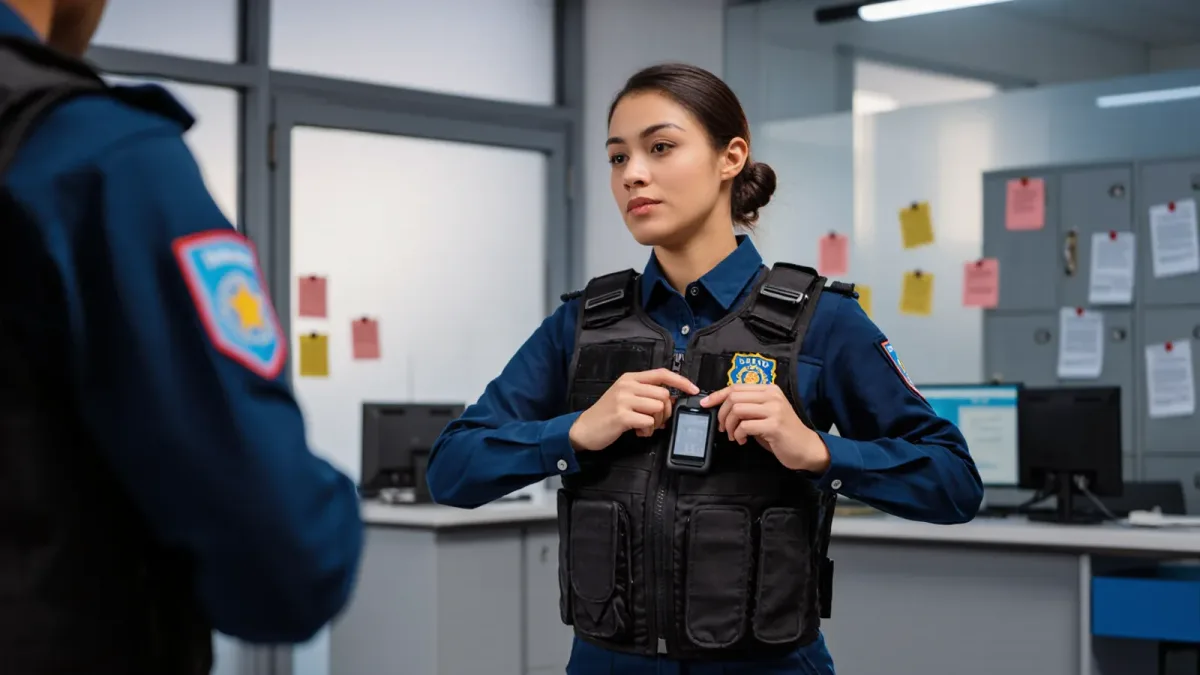
Who Gets Body Camera Footage, and When: The Disclosure Rules Explained
Public records laws decide release state by state, and the gap between a California 45-day clock and a North Carolina court order is where most footage fights happen.
Rights follows constitutional questions through the courts: voting access, privacy, free speech, due process, equal protection and religious liberty. Coverage quotes holdings, identifies any circuit split, and explains what a ruling permits or forbids from its effective date. For attorneys, advocates, students and citizens tracking legal change.
Constitutional litigation followed through the courts: voting access, privacy, speech, due process and equal protection, with holdings quoted accurately.
Public records laws decide release state by state, and the gap between a California 45-day clock and a North Carolina court order is where most footage fights happen.
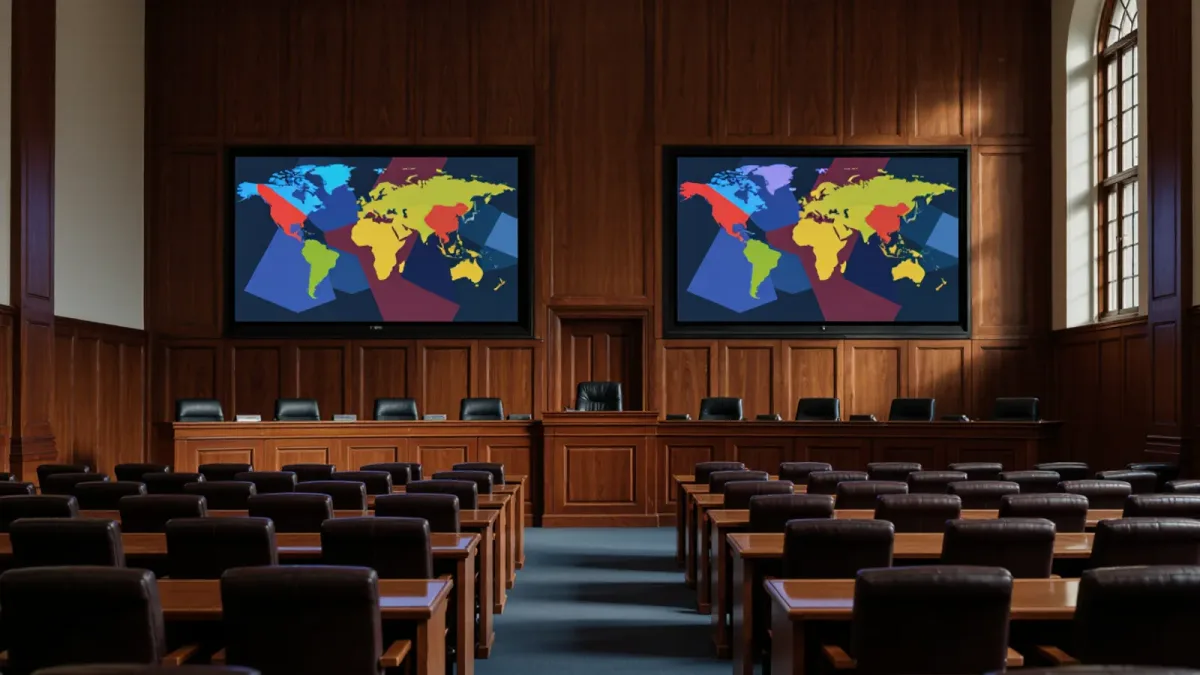
The 2026 decision in Louisiana v. Callais rewired the Gingles framework, demanding evidence of intentional race-based map-drawing — and the vote-dilution lawsuit is being rebuilt around it.
The Supreme Court's 2024 test turns on state authority and official use, so the same post can be state action from one account and private speech from another.
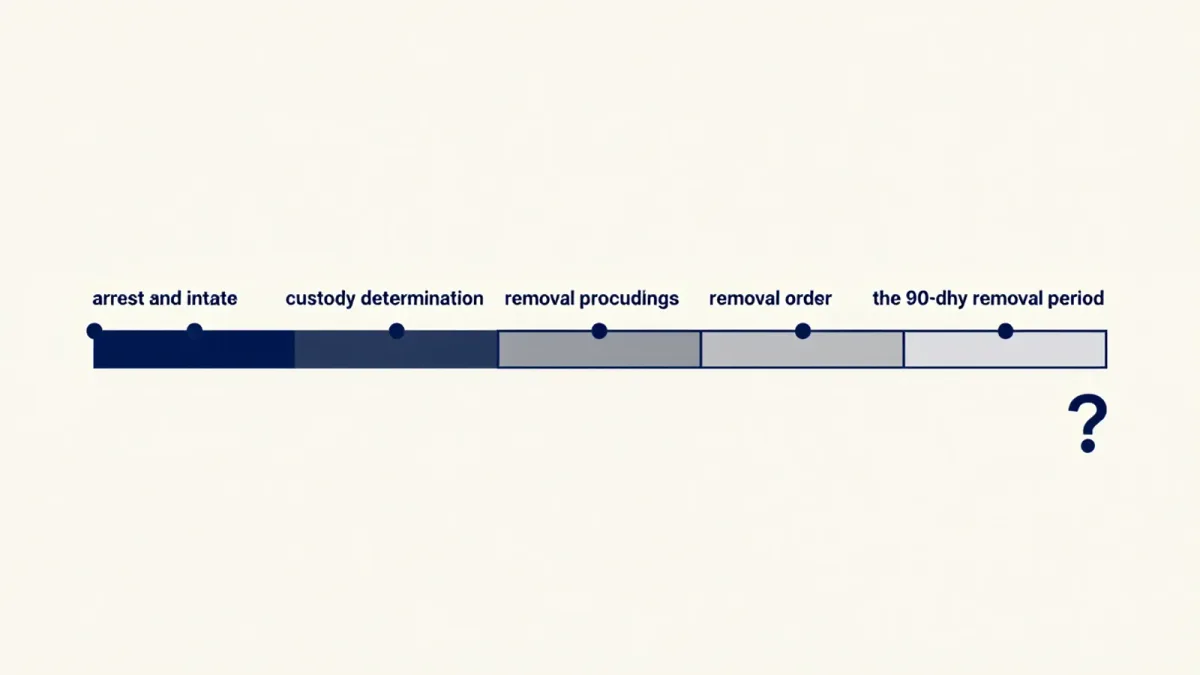
Civil detention without charge has a six-month presumptive outer limit, but a chain of Supreme Court decisions since 2018 has narrowed the bond hearings and lawsuits detainees can invoke.
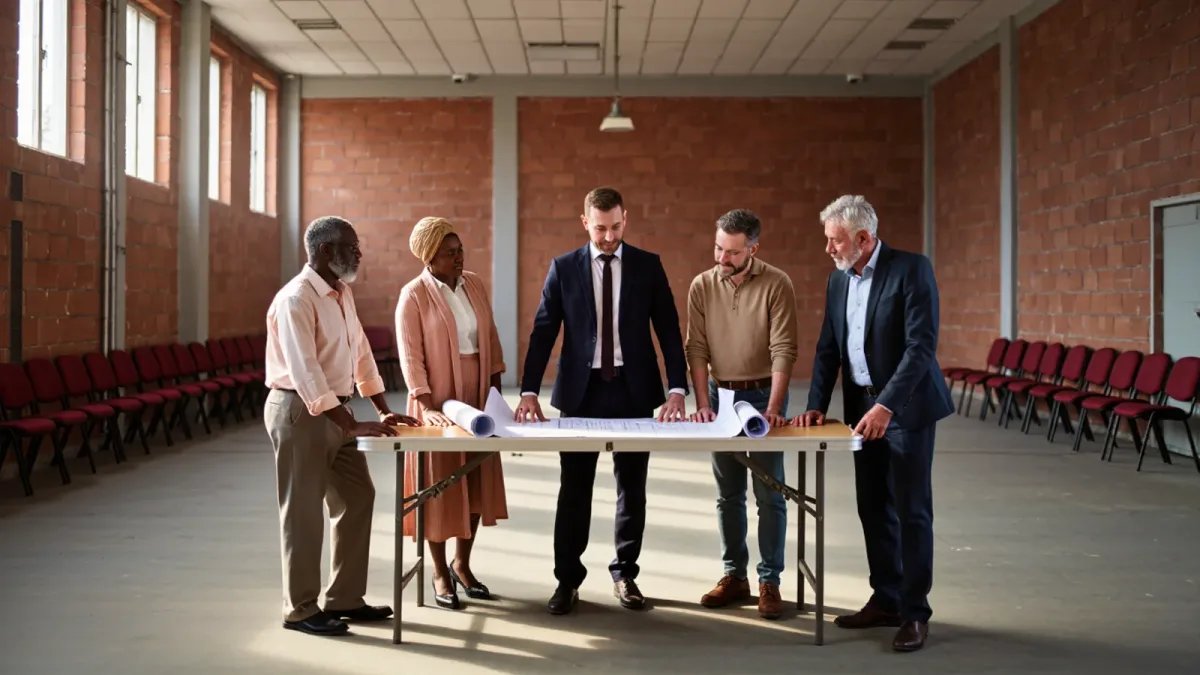
Since 2000, the Religious Land Use and Institutionalized Persons Act has let congregations sue cities over zoning denials — and they win far more often than the statute's critics expected.
Wong Kim Ark decided the constitutional question in 1898, but a 2025 executive order and the Supreme Court's curbs on universal injunctions have put the fight back into the courts.