
Poll Worker Recruitment: The Staffing Math Behind Election Day
Roughly 800,000 poll workers staff American elections, most are temporary hires in their sixties, and every jurisdiction runs its own recruitment pipeline against a recurring shortage.
Mechanics of federal government: appropriations, nominations, ethics rules, administrative procedure, shutdown deadlines and each branch's oversight tools.
Roughly 800,000 poll workers staff American elections, most are temporary hires in their sixties, and every jurisdiction runs its own recruitment pipeline against a recurring shortage.
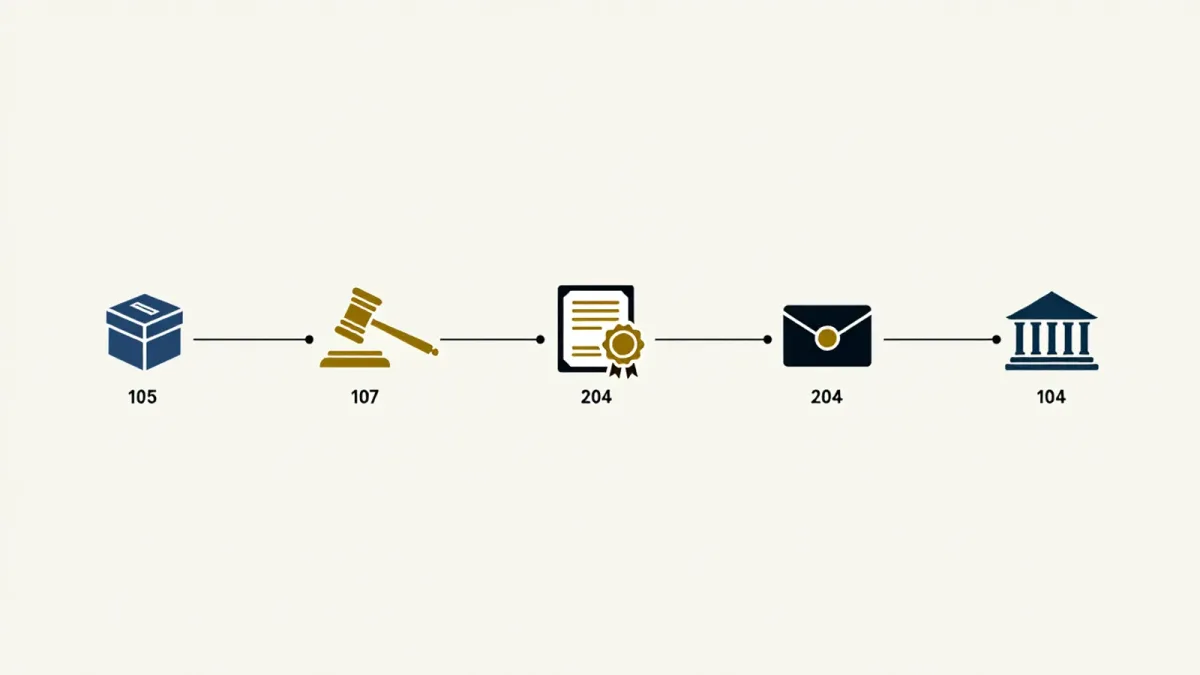
Election night is media projection; certification is law, and it runs on state canvass deadlines, a federal certificate clock, and a joint session of Congress in January.
State legislatures write primary dates into statute, parties run caucuses and set delegate rules, and the interaction of the two — plus New Hampshire's state law — produces the calendar shuffle every cycle.
There is no federal rule restoring voting rights after a felony — every state writes its own, and the approaches run from voting from prison to lifetime disenfranchisement for select offenses.
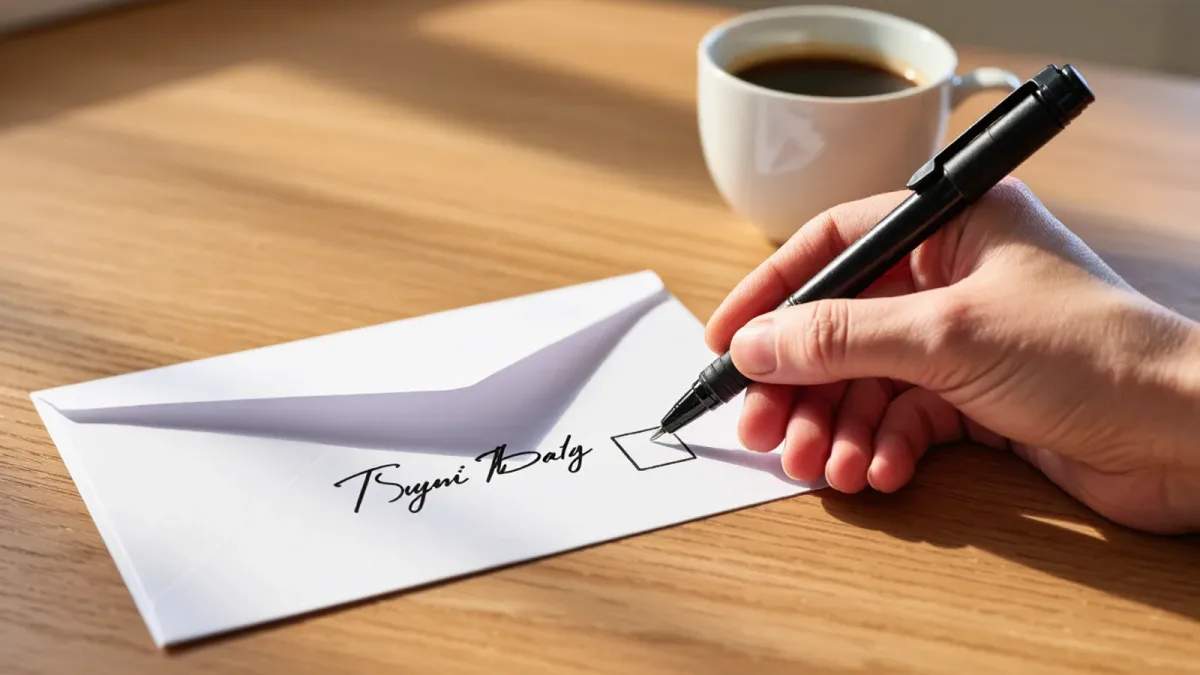
A mismatched signature or a missing field does not have to kill a mail ballot, but the fix runs on state deadlines that vary from two days to a week after the election.
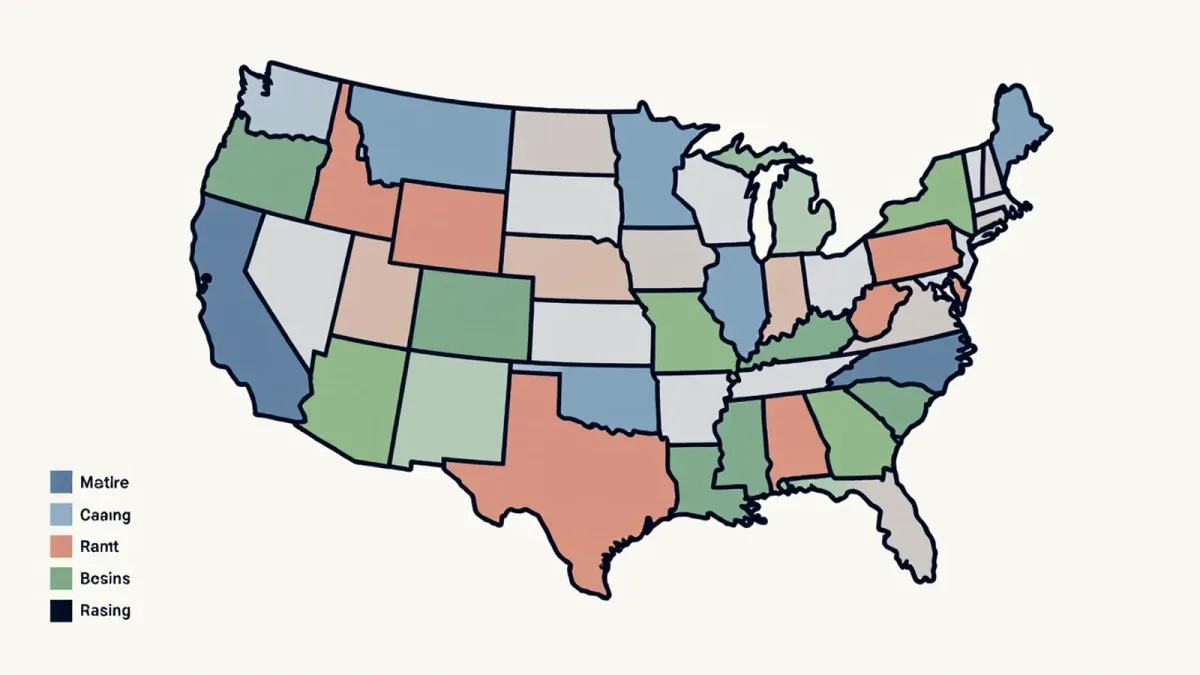
State photo-ID rules split into strict and non-strict versions, and the documents each state accepts differ more than the labels suggest.