A provisional ballot counts when two things are verified after election day: the voter was actually eligible to vote in that election, and the voter cast the ballot in the correct precinct or jurisdiction as the state's law requires. That is the rule Congress wrote in the Help America Vote Act of 2002, Section 302, which requires every state to offer a provisional ballot to any voter whose name does not appear on the rolls or whose eligibility is challenged — and it is why the majority of provisional ballots do count, while the ones that fail usually fail on residency and precinct placement rather than on identity. Verification is an administrative record check, not a second election.
When must a poll worker offer a provisional ballot?
Federal law lists the triggers, and states add more. Under HAVA, a voter must be offered a provisional ballot when the voter's name does not appear on the official list of eligible voters, or when the voter's eligibility is challenged by an election official or another voter. The statute also routes two other situations through the provisional process: first-time voters who registered by mail and could not satisfy the federal ID requirement, and — in most states — voters whose eligibility is in question because of a pending registration update, a change of address within the jurisdiction, or an application processed during the registration cutoff window. A voter asserting he or she is registered must be given the ballot and a way to confirm its status afterward; turning the voter away without the paper trail violates the federal floor, even in states with restrictive counting rules.
How is a provisional ballot verified?
Through a documented review inside the county election office, generally within days of the election:
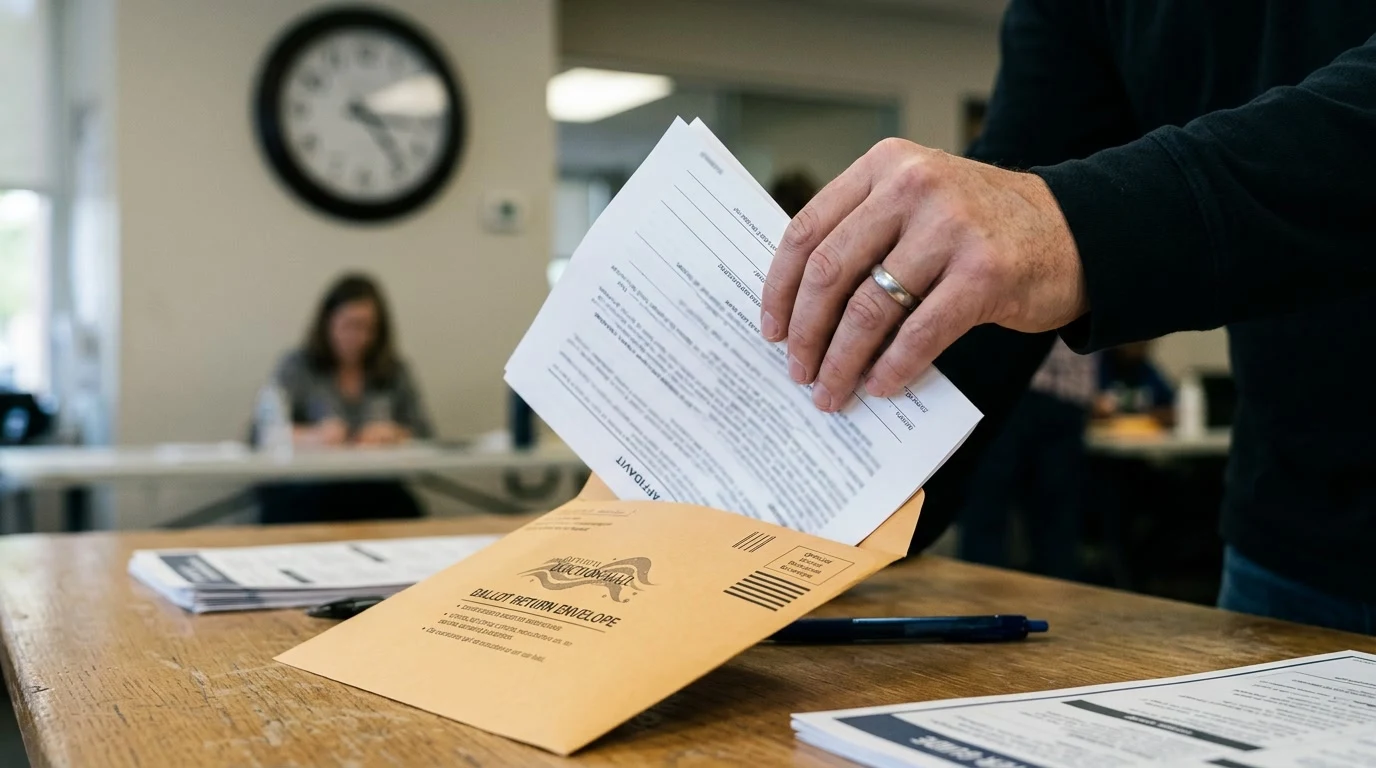
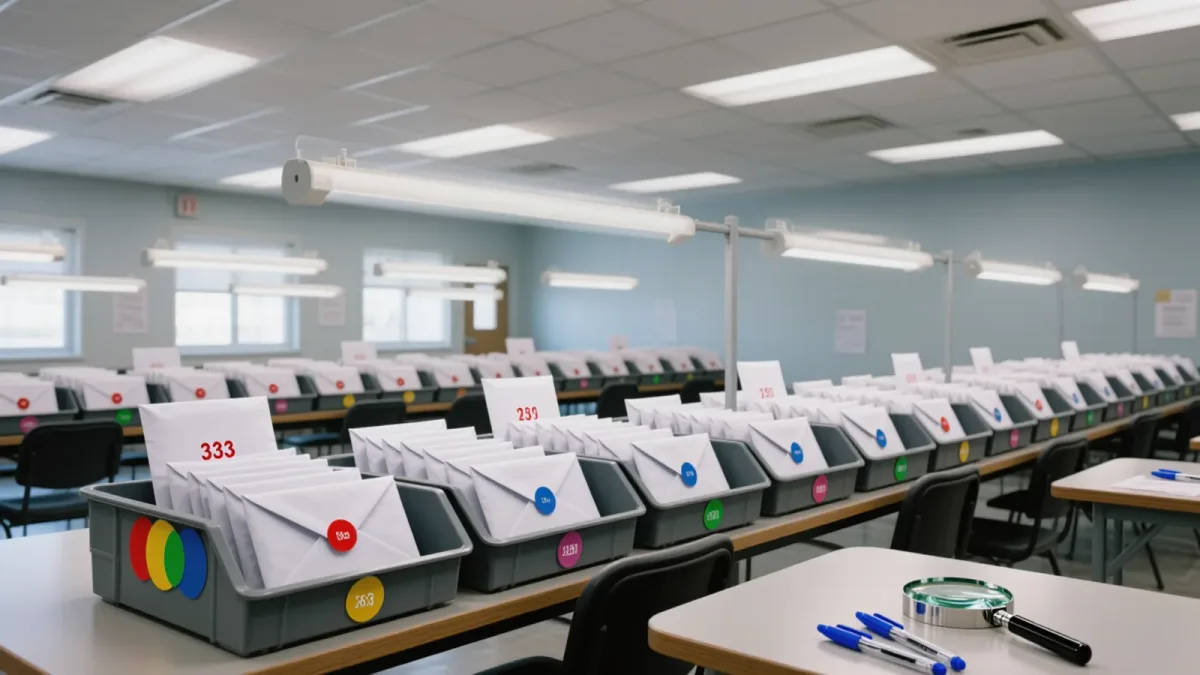
- Separation. The ballot arrives at the election office sealed in a provisional envelope signed by the voter, with a stub carrying a serial number matched to the poll worker's log; it never mixes with the regular count.
- Record check. Staff search registration records to confirm the voter was registered and eligible, checking for pending applications, duplicate records, address moves, and — where the voter registered at the polls under same-day registration rules — incomplete paperwork.
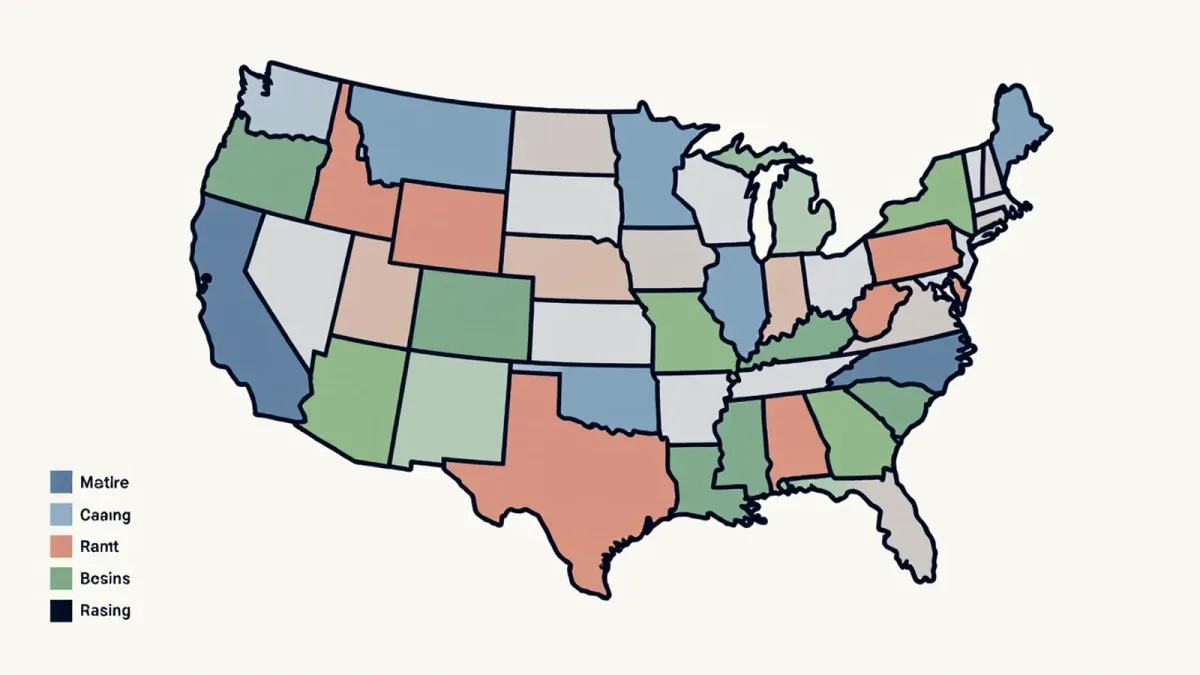
- Jurisdiction test. Staff determine whether the ballot was cast in the right precinct or jurisdiction. This is the decisive step, and the rules vary: some states count a ballot's statewide races even when the precinct was wrong, others reject any ballot cast in the wrong place, and a federal court of appeals split on whether the stricter rule violates equal protection before the Supreme Court left a state-wide rule to the states in the 2000s.
- Signature review. Where the envelope requires a signature, it is verified against the registration record under the same standards as mail ballots.
- Decision and record. The board counts, partially counts, or rejects the ballot with a coded reason, and the voter can look up the outcome by the lookup method printed on the provisional stub.
Why do states treat wrong-precinct ballots so differently?
Because federal law sets the offer but leaves the counting rule to the states, and courts have upheld both poles. The Sixth Circuit initially barred Michigan from rejecting out-of-precinct ballots on equal protection grounds, but the Supreme Court in 2006 summarily upheld Arizona’s precinct-based rejection rule in Gonzales v. Arizona, and the practical settlement since has been that each state’s choice survives review. The policy debate turns on whose error it is: reformers argue a voter sent to the wrong precinct by a poll worker or an outdated website should not lose the vote, while election officials answer that precinct-specific ballots — local races and local ballot questions — cannot be fairly partially counted when the voter was in the wrong electorate. Several states split the difference by statute, counting statewide and federal races from out-of-precinct ballots while excluding the local races the voter’s wrong precinct could not have decided.
How long does the count take?
It runs inside the state's certification calendar. Most states finish provisional verification within roughly one to two weeks after the election, with statutory deadlines ranging from a few days to a month, and several states allow voters to fix curable defects — a missing signature, an ID that must be presented — during that window. The timing matters most in close races because provisional ballots are the last uncounted input: margins in state and local races are occasionally narrow enough that the provisional batch decides the result, which is why campaigns track provisional counts by precinct the way they track mail ballots. Certification cannot proceed until the review is complete, and the coded rejection reasons become public records that show where the process loses ballots.
Why do provisional ballots get rejected?
Overwhelmingly for registration and placement reasons, and the federal data shows the pattern consistently. In recent EAC survey cycles, roughly two million provisional ballots were cast in federal elections, with about seven in ten counted in full; the leading rejection reasons were the voter not being registered at all, the ballot being cast in the wrong precinct or jurisdiction, and missing registration updates for people who moved. Rejections for fraud are rare enough that they register as individual cases, not categories — a point the post-2020 litigation record confirms repeatedly. The pattern has policy consequences: same-day registration states generate fewer provisional ballots because fewer voters arrive with unresolved records, and states that count partial ballots by race lose fewer votes from voters who moved within their county.
What does this change for a voter handed one?
Three steps protect the ballot. First, cast it in the assigned precinct if at all possible — asking a poll worker to confirm the correct location before voting matters more than any other single fact in whether the ballot counts. Second, complete the envelope fully and sign it as registered; a blank signature field is a curable defect in some states and a fatal one in others. Third, keep the stub and use the lookup: every state provides a way to check whether the ballot counted, and if it was rejected for a curable reason, the cure deadline is in the days immediately after the election. The provisional system is a safety net with a verification gate — it protects an eligible voter's right to a paper record, and it counts exactly as far as the records can verify.