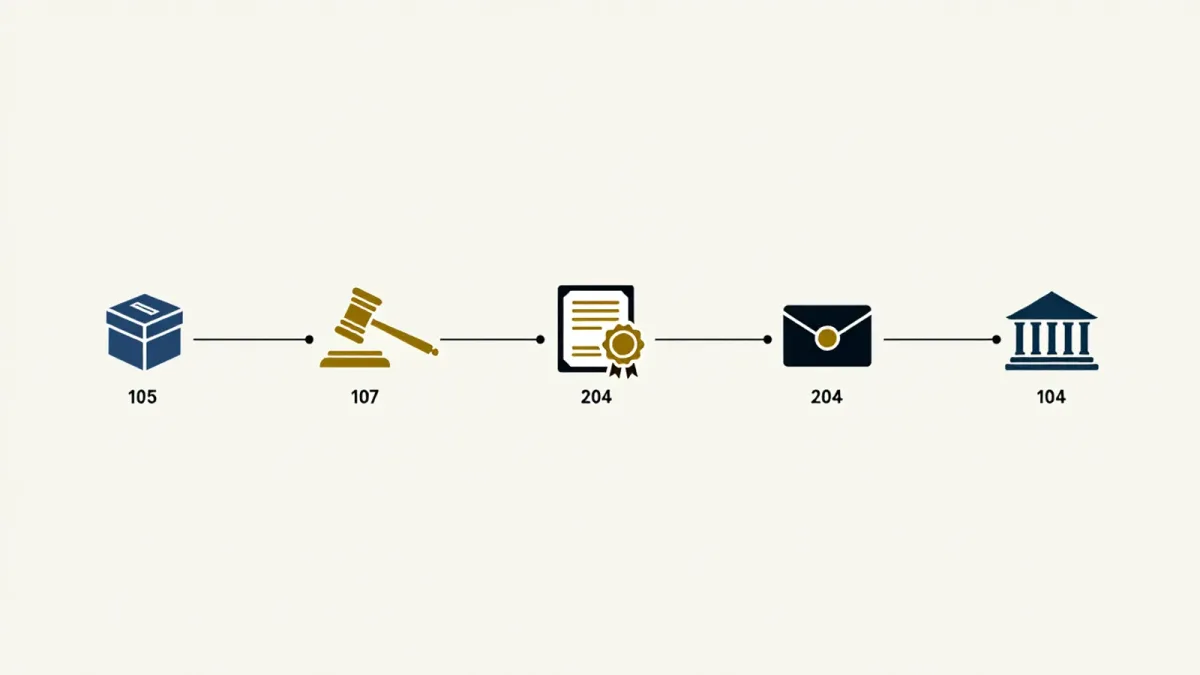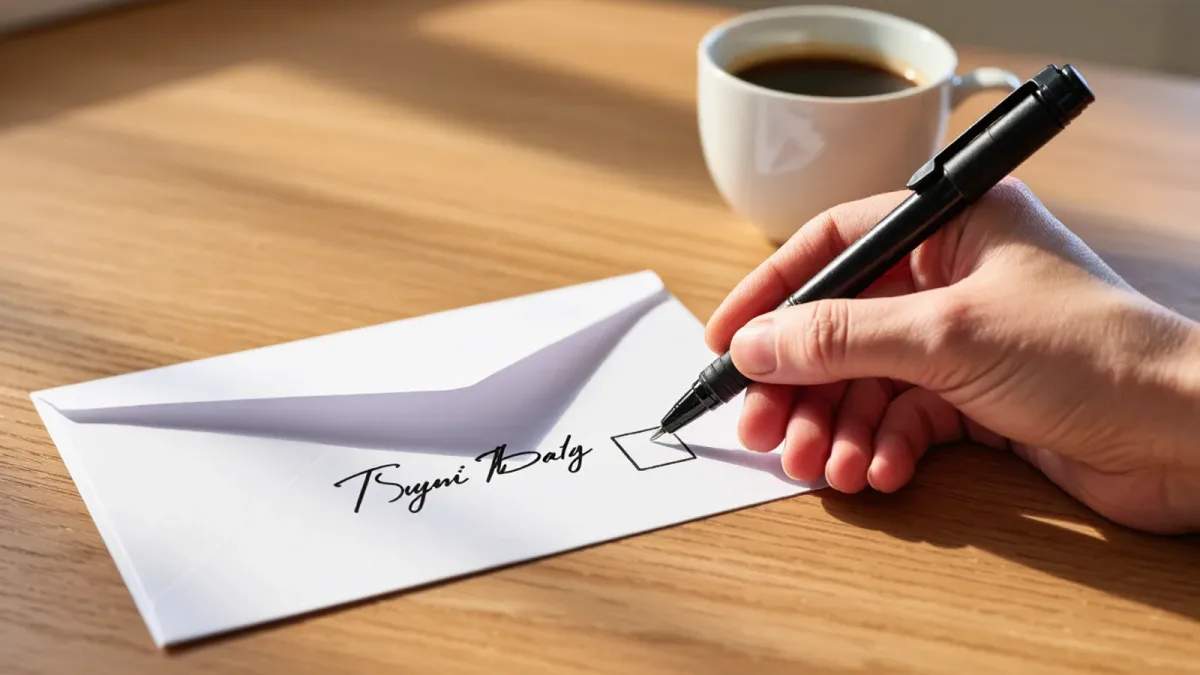
Absentee ballot cure is the procedure by which a voter fixes a defective mail or absentee ballot — most often a signature that election officials cannot match to the one on file, or a missing date or witness line — by verifying the defect and correcting it within a state-set window, and in the states that require it, that window extends past election day itself: Colorado allows curing for eight days after the election, Florida requires cures by 5 p.m. on the second day after, and Georgia gives voters until the close of business on the third business day. The mechanics are always the same three steps — notice, verification, correction — but the deadlines and the notice rules are what decide whether a ballot counts.
What defects can a voter cure?
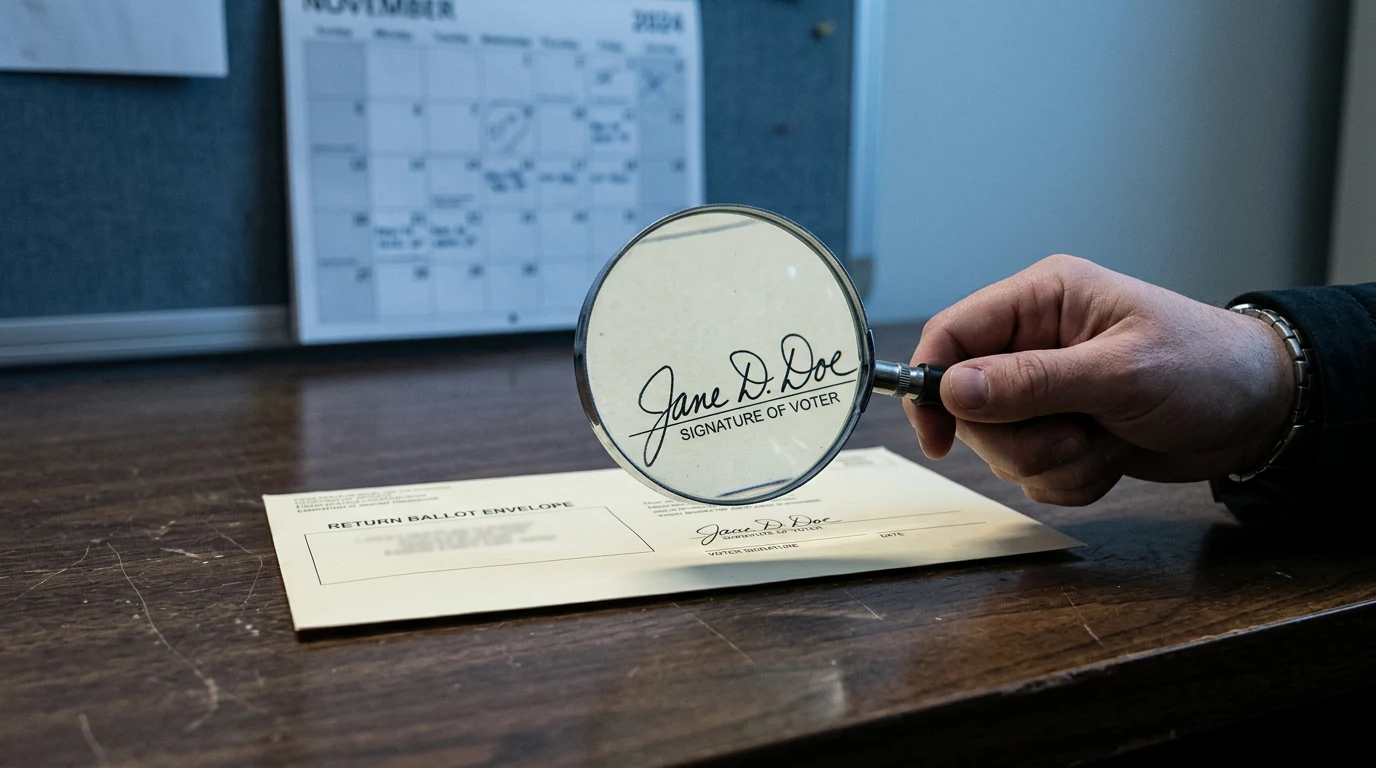
Two categories dominate. The first is a signature mismatch: nearly every mail-voting state compares the signature on the return envelope against the voter's registration record, and if the comparison fails — or the envelope is unsigned — the ballot is flagged. The second is a missing or improper element: no date, a missing witness signature where the state requires one, no voter signature on the inner envelope, or an ID number that does not match the registration. Damage to the envelope, a ballot that arrived without its security sleeve in sleeve states, or a voter who died before election day but after mailing generally fall outside cure and run on separate rules. What is curable is defined by statute or state election authority guidance, and the definition matters because officials may not add requirements the law does not state — a recurring argument in litigation over envelope rules.
Which states require notice, and which do not?
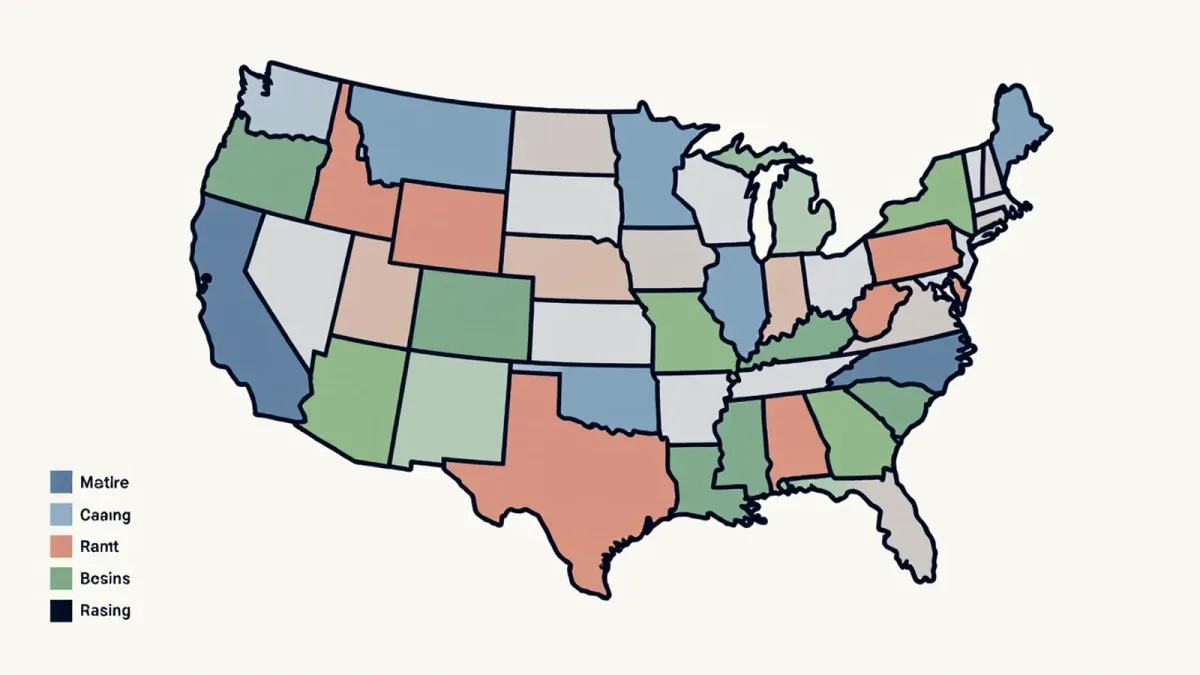
This is the sharpest dividing line on the cure map. In states with mandatory notice statutes — Colorado, Florida, Georgia, Michigan, Ohio, Utah, and Washington, among others — election officials must contact a voter whose ballot has a curable defect, typically by mail, email, text, or phone, and provide a way to fix it. In states without an affirmative notice requirement, the burden flips: the ballot is simply rejected, and voters who want to know must track their ballot online or contact the election office themselves. A middle group requires notice for some defects or lets counties decide. The practical consequence is documented in rejection rates: states that built notice systems reject far fewer mail ballots for signature problems than states that leave voters to discover the failure on their own, and the difference is largest in lower-profile elections when voters are less attentive to tracking tools.
How does the cure process actually run?
The workflow is similar wherever it exists:
- Flag. A trained reviewer — often a bipartisan pair or board — identifies the defect during envelope processing and marks the ballot as challenged rather than rejected outright.
- Notice. The election office contacts the voter using the contact information on the registration record, within a deadline the state sets, and the notice must describe the defect and the cure method.
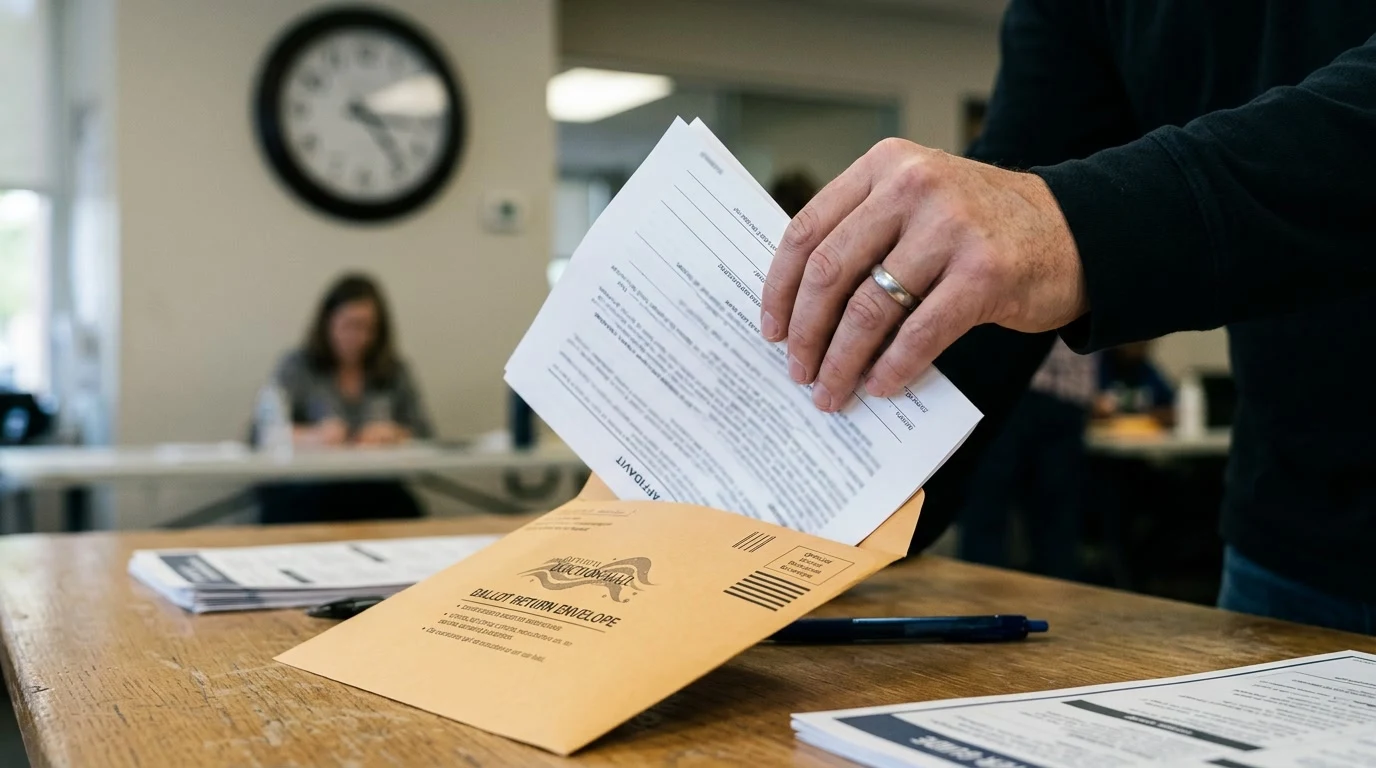
- Verification. The voter submits the fix: a signed affidavit form, a photocopy or electronic image of a photo ID, an online confirmation through the state portal, or an in-person visit to the election office.
- Decision and record. Officials verify the cure, count or reject the ballot, and log the decision. Rejections must be recorded, and in many states a voter can appeal or seek review.
The timing rule is the part voters miss. A cure submitted after the statutory deadline — even hours — does not count, and the deadlines are unforgiving precisely because they sit at the end of the certification calendar: officials cannot hold a certified result open indefinitely for late affidavits.
Who decides that a signature matches?
Trained local officials, under rules the state writes. Signature review is typically performed by county election staff, often in bipartisan teams or boards, and many states require training and written guidance on what counts as a match — accounting for age, illness, disability, and the fact that people sign their names inconsistently on touchscreens and delivery devices daily. Automated signature-comparison software assists in some states, but the flag it raises leads to human review, and several states require that any rejection be confirmed by more than one reviewer. The standards are contestable by design: a voter who disputes a mismatch can demand review in many states, and litigation over training quality has been a recurring feature of mail-voting states since 2020. What the law generally does not allow is a reviewer substituting their own handwriting expertise for the state’s published criteria, which is why the guidance documents, not the reviewer’s instincts, are the operative text.
Why do the deadlines differ so much?
Because they trade voter opportunity against administrative closure. A short window such as Florida's — a cure by the second day after the election — lets counties finish canvassing quickly but demands that voters watch their ballot status closely. Colorado's eight-day cure period and Washington's similar post-election window treat mail voting as a week-long process rather than a day-long one, accepting a longer count in exchange for fewer lost ballots. The courts have mostly deferred to whatever the legislature chose, while striking rules that gave voters no chance to fix a signature problem at all — the pattern in litigation after the 2018 and 2020 cycles, where several states added cure procedures by statute or consent judgment. Since 2020 the direction of travel has been toward notice-and-cure in most large mail-voting states, with the remaining disputes over window length, acceptable cure methods, and whether an unsigned envelope counts as a curable defect or a void ballot.
What should a mail voter actually do?
Track the ballot and read the notices. Every mail-voting state operates a ballot-tracking portal or a status lookup through the secretary of state or county election office, and the tracking status is where a defect first appears — often as "challenged" or "needs attention." If a notice arrives, follow its instructions exactly: the cure method is defined narrowly, and an affidavit mailed to the wrong office or an ID image that misses the deadline does not count. Sign the return envelope the way the registration file shows your signature, including any middle name, because mismatch disputes turn on similarity, not intent. And vote early enough in the window that a problem leaves time to fix it — the cure system protects a ballot that arrives on time with a fixable flaw, not one that arrives late.