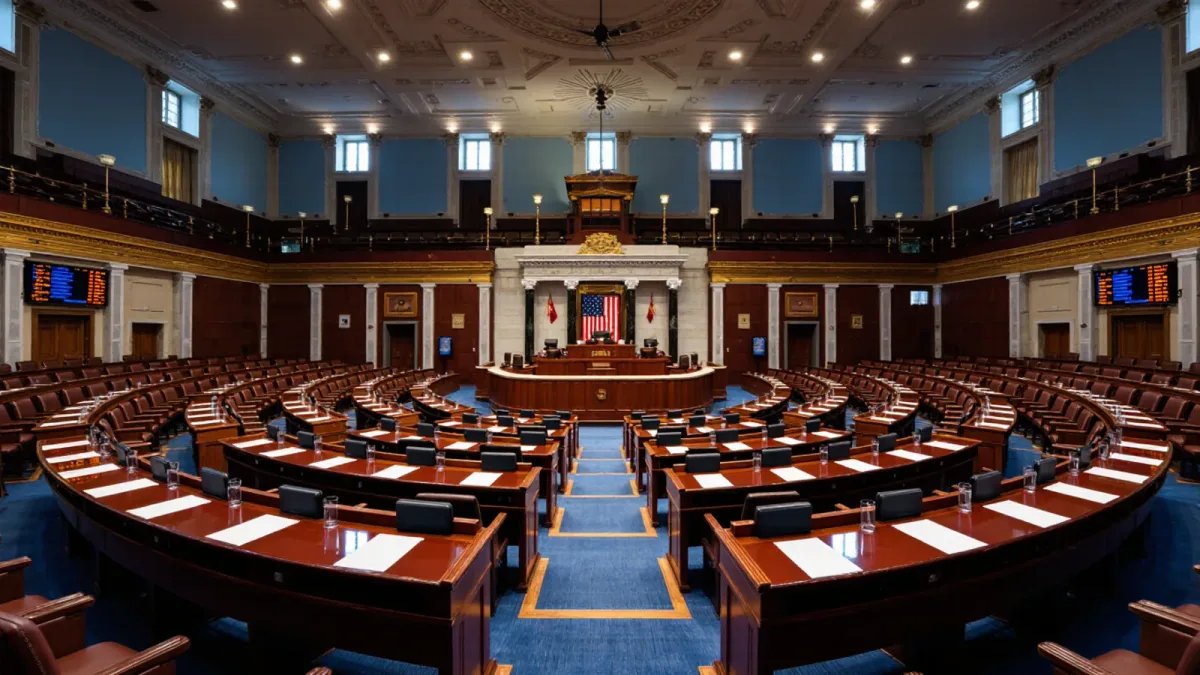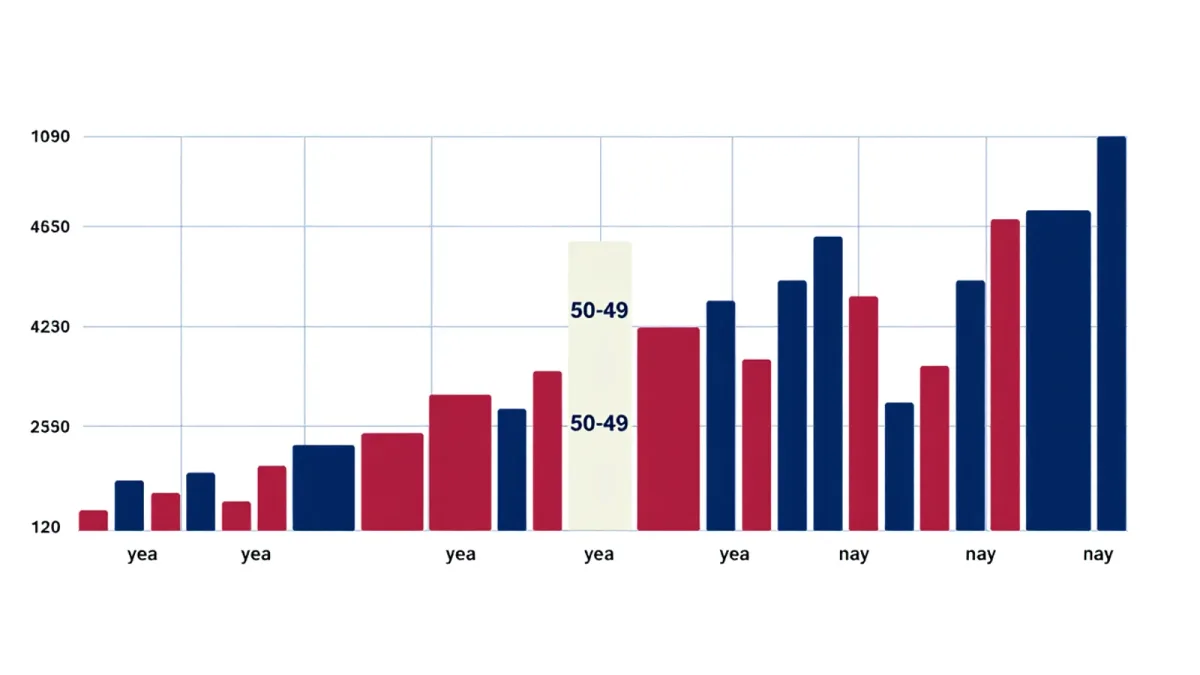
The Senate confirmed Todd Blanche as Attorney General by a vote of 50-49 in the early hours of August 8, per the Senate roll call record, making the president's former personal criminal defense lawyer the nation's chief law enforcement officer. Every Democrat present opposed the nomination; per the Times, Senator Lisa Murkowski pressed Blanche on department independence beforehand.
Who is the new attorney general?
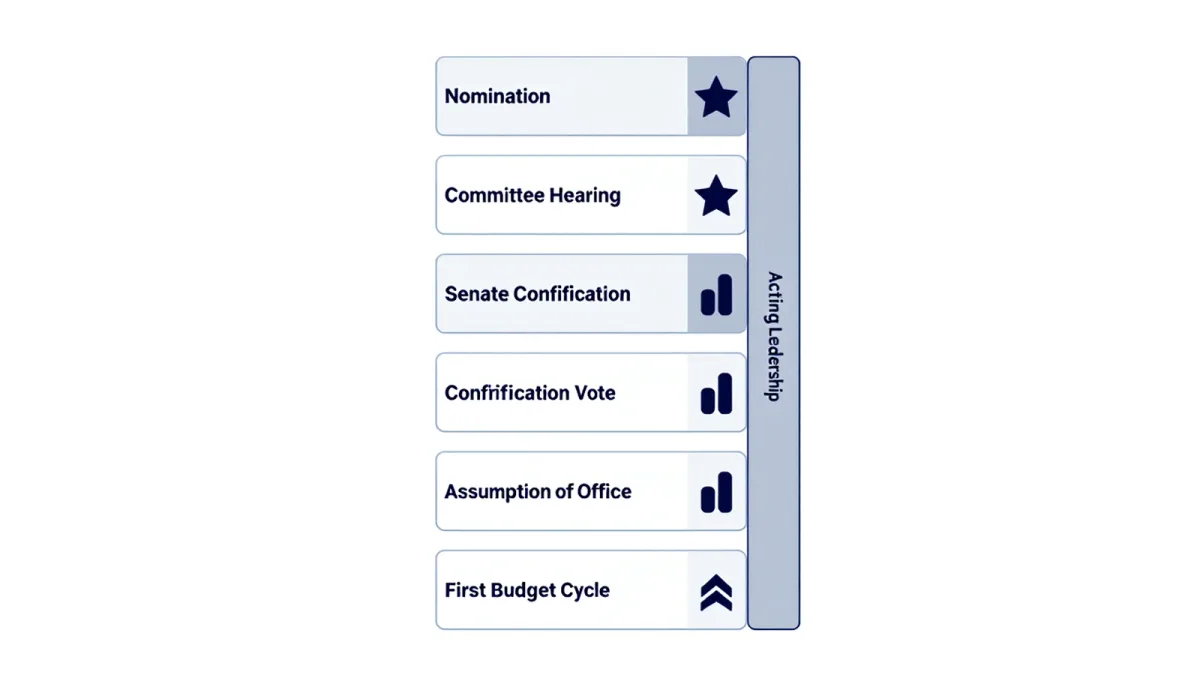
Blanche served as Deputy Attorney General from the start of the second Trump administration, after a career that ran from the Southern District of New York's prosecutor ranks to private defense work representing Donald Trump in the federal classified-documents and election cases. His confirmation hearing record therefore contains an unusual feature: the nominee ran the department he is now confirmed to lead in an acting capacity, which supporters cited as proof of continuity and opponents cited as evidence the confirmation ratifies conduct already underway rather than vetting a new approach.
Why did the vote take all night?
The timing was procedural: Democrats exhausted debate time and forced repeated quorum calls and roll calls, moving the confirmation to a dawn vote in hopes of exposing the margin and extracting floor commitments on independence safeguards. The 50-49 result — one vote tighter than a fully attended party-line tally — shows the cost of that strategy and of absences on the Republican side. Under Senate rules the confirmation needed only a simple majority, so the extended session changed the optics, not the outcome.
What does the department inherit with a confirmed chief?
Confirmations matter operationally at the Justice Department more than at most agencies, because the attorney general personally approves special-counsel appointments, recusal decisions and capital-punishment authorizations. The department Blanche now runs confirmedly includes pending investigations of the administration's political adversaries, ongoing litigation over federalized law-enforcement deployments, and the appeals following the Supreme Court's ruling that IEEPA does not authorize tariffs. Democrats on the Judiciary Committee had sought written commitments on when he would recuse himself from matters involving the president; the hearing record, per the Times coverage, did not produce them.
What does this change?
The confirmation moves the department from acting leadership to confirmed leadership with a two-year runway and no listed independence conditions — the first such combination in the department's modern history, per critics in the hearing record. The measurable tests are specific: whether career officials who handled the president's prosecutions remain protected by the department's internal norms, how the pending adversarial appeals are argued, and whether any matter involving the president receives a recusal. Each is checkable against the public record within months, which is the only standard a bare-majority confirmation leaves, and the department's own docket will supply the evidence either way, on its own schedule.