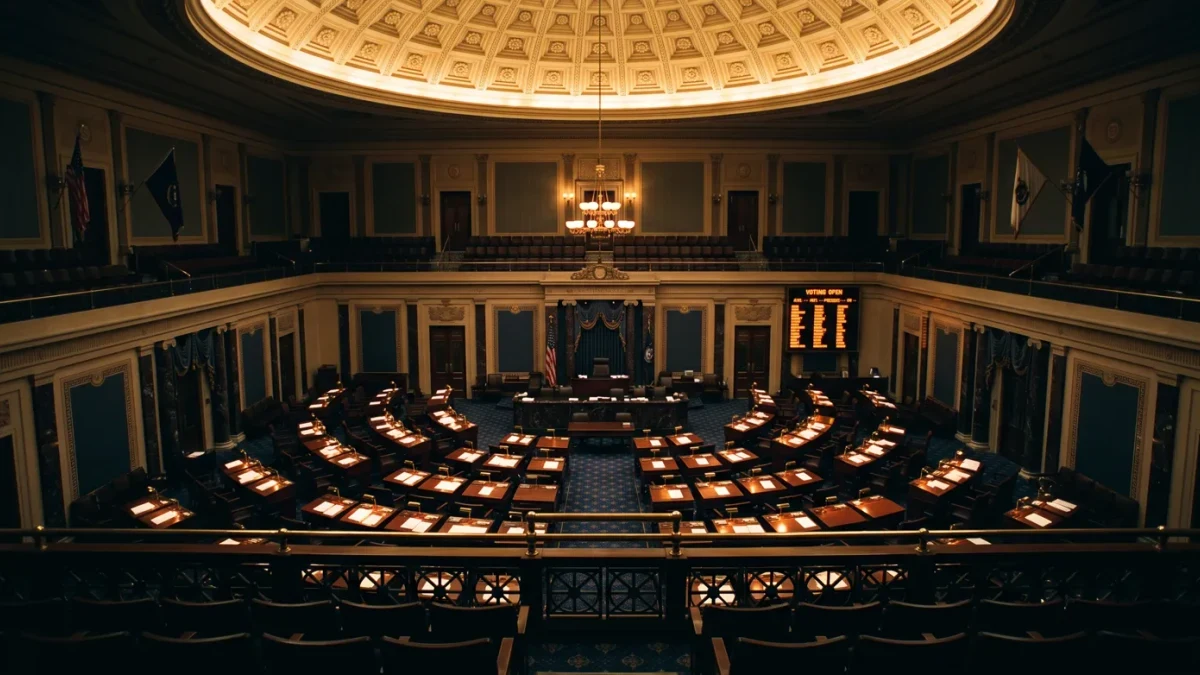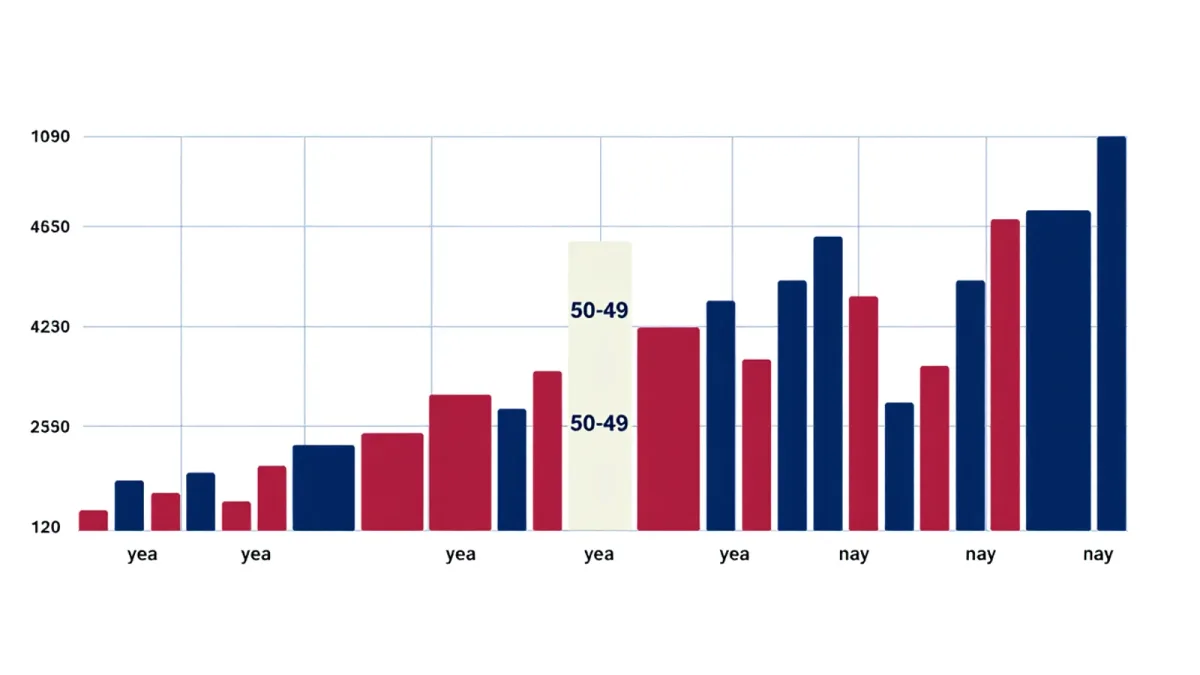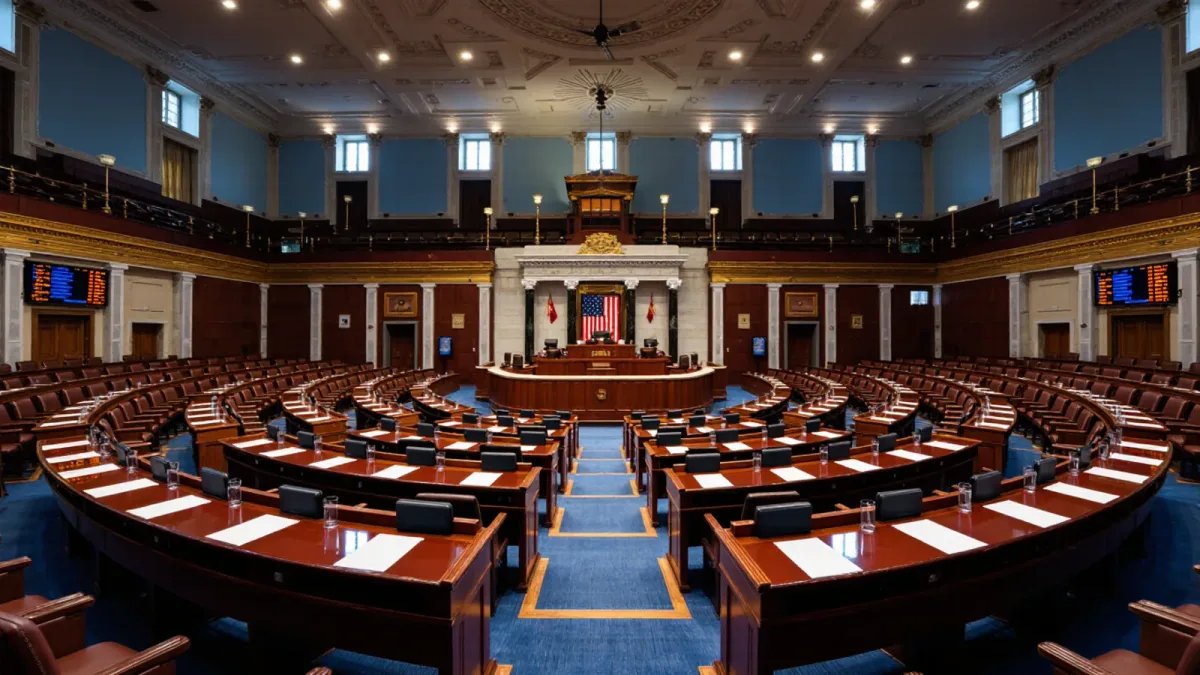
The Senate passed a budget reconciliation package on June 5, 2026 that funds immigration enforcement at roughly $70 billion, voting 52-47 after a marathon session. Per Politico's coverage of the vote, the bill directs about $38.5 billion to Immigration and Customs Enforcement and more than $26 billion to Customs and Border Protection; the House followed on June 9.
What does the money actually buy?
The ICE line is built around detention capacity, removal logistics and enforcement staffing — the department's deportation pipeline has been constrained less by legal authority than by bed space, flight capacity and officer headcount, and this is the funding that expands all three. The CBP allocation covers barrier construction, surveillance technology along the southwest border and hiring. Because the measure advanced through budget reconciliation, its provisions had to survive the Senate parliamentarian's review of what counts as budgetary policy, which stripped or reshaped parts of the enforcement agenda but preserved the spending core.
Why reconciliation, and why now?
Reconciliation lets the Senate pass spending with 51 votes rather than the 60 needed to break a legislative filibuster, which is the only route this package had given the party-line 52-47 tally. The June 5 vote came after weeks of stall, per NPR's coverage, including a marathon session lasting roughly 18 hours in which Democrats forced votes on amendments before the bill advanced. The annual appropriations process could not deliver these levels because it operates under caps the reconciliation instructions were designed to bypass.
Who objects, and on what record?
Opposition organized around scale and oversight rather than principle alone. Advocacy organizations noted that ICE's budget after the package exceeds the combined budgets of most federal law-enforcement agencies, and several senators demanded reporting conditions on detention standards before voting. The Congressional Budget Office's scoring of related Senate legislation put direct DHS appropriations in the tens of billions annually, a figure opponents cited to question sustainability; supporters cited interior enforcement statistics to argue the capacity was overdue. Both claims rest on documents in the record, and both are right about their own metric.
What does this change?
The funding converts enforcement capacity from the binding constraint into a policy choice: with beds, flights and officers funded at this level, the administration's removal targets depend on operations and court throughput, not appropriations. That shifts the contested ground to the courts, where due-process litigation over expanded detention is already pending, and to the fiscal year 2027 appropriations cycle, where maintenance costs for this buildout arrive after the November elections. Per the vote record, the 52-47 margin is the ceiling of consensus; every future increment will be fought at the same one-vote scale, in the same chamber, under the same procedural rules that shaped this one.