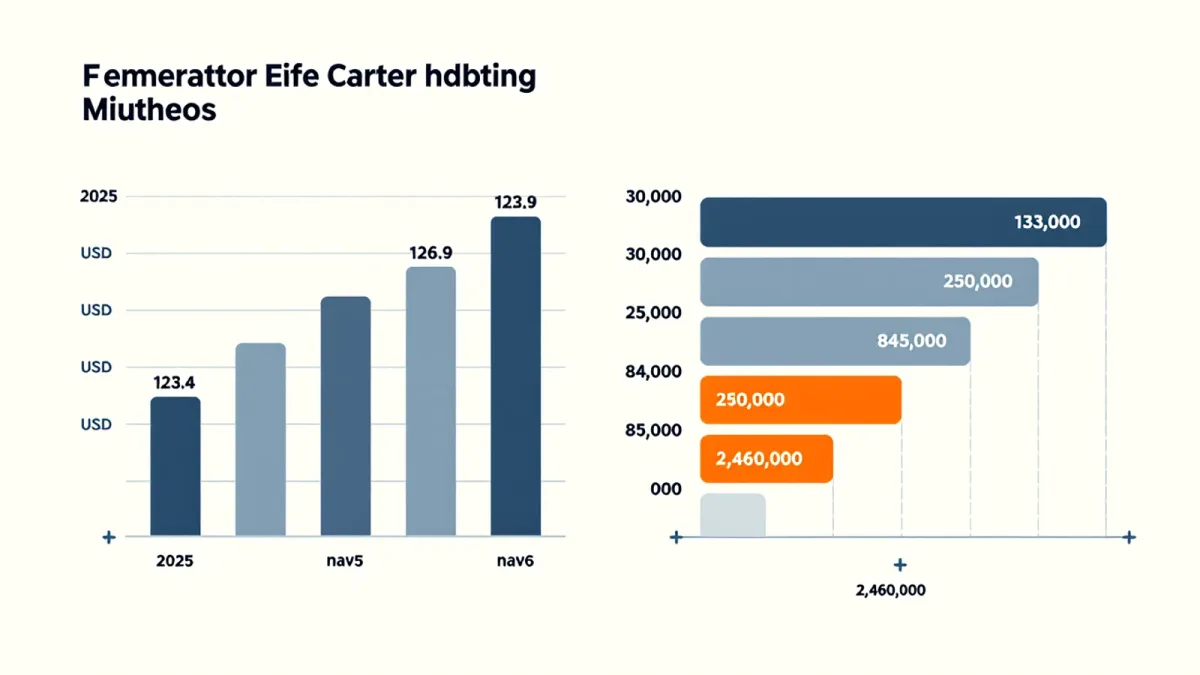
The 2026 Hart-Scott-Rodino premerger thresholds take effect February 17, 2026, 30 days after the Federal Register publication on January 16, 2026, per the FTC. The size-of-transaction reporting floor rises from $126.4 million to $133.9 million — a 5.9 percent inflation adjustment — and filing fees now top out at $2.46 million for deals valued above $5.355 billion. Any acquisition closing on or after that date is measured against the new numbers.
This publication reports on the rule changes, not legal advice; counsel should be consulted on specific filings. The commercial arithmetic, however, is public.
What actually changed?
The FTC adjusts HSR jurisdictional thresholds and fees every year under a statutory formula keyed to gross domestic product. For 2026, per the FTC's announcement, the size-of-person test thresholds moved to roughly $26.8 million and $267.8 million, and the upper size-of-transaction limit tied to that test rose to about $267.8 million as well. An acquiring party has one year from the end of the waiting period to close while staying under the upper limit, even as headline deal value moves.
- Deals between $133.9 million and about $267.8 million are reportable regardless of party size.
- Smaller-party transactions up to roughly $5.355 billion are exempt from the size-of-person test at defined bands.
- The minimum filing fee stands at $30,000; the maximum at $2.46 million.
Who pays more, and when?
Private equity and strategic acquirers in mid-market industrials, healthcare and software absorb most of the incremental cost, because the fee schedule is progressive: the larger the transaction, the steeper the tier. Per White & Case's analysis of the 2026 update, the top fee tier now reaches $2.46 million for deals above $5.355 billion. Deal teams structuring transactions near $5 billion face a direct incentive to retime signing and closing across the February 17 boundary, since a closing before the effective date is measured against the 2025 schedule.
Why the timing matters this year
The adjustment lands amid litigation over the merger-review machinery itself: a federal court vacated the FTC's expanded premerger notification form on February 12, 2026, per court records reported by Skadden, reverting filers to earlier disclosure requirements — a shift covered separately. The threshold and fee schedule, by contrast, are untouched by that case; they adjust automatically.
What does this change?
For corporate development officers, the practical effect is a calendar item and a budget line: every 2026 deal at or above $133.9 million carries a filing obligation, and fees above $30,000 are now routine at much lower valuations than a decade ago. The thresholds have climbed every year since Congress tied them to GDP, which is why antitrust counsel now build HSR screening into term sheets at lower deal sizes than the headline numbers suggest.