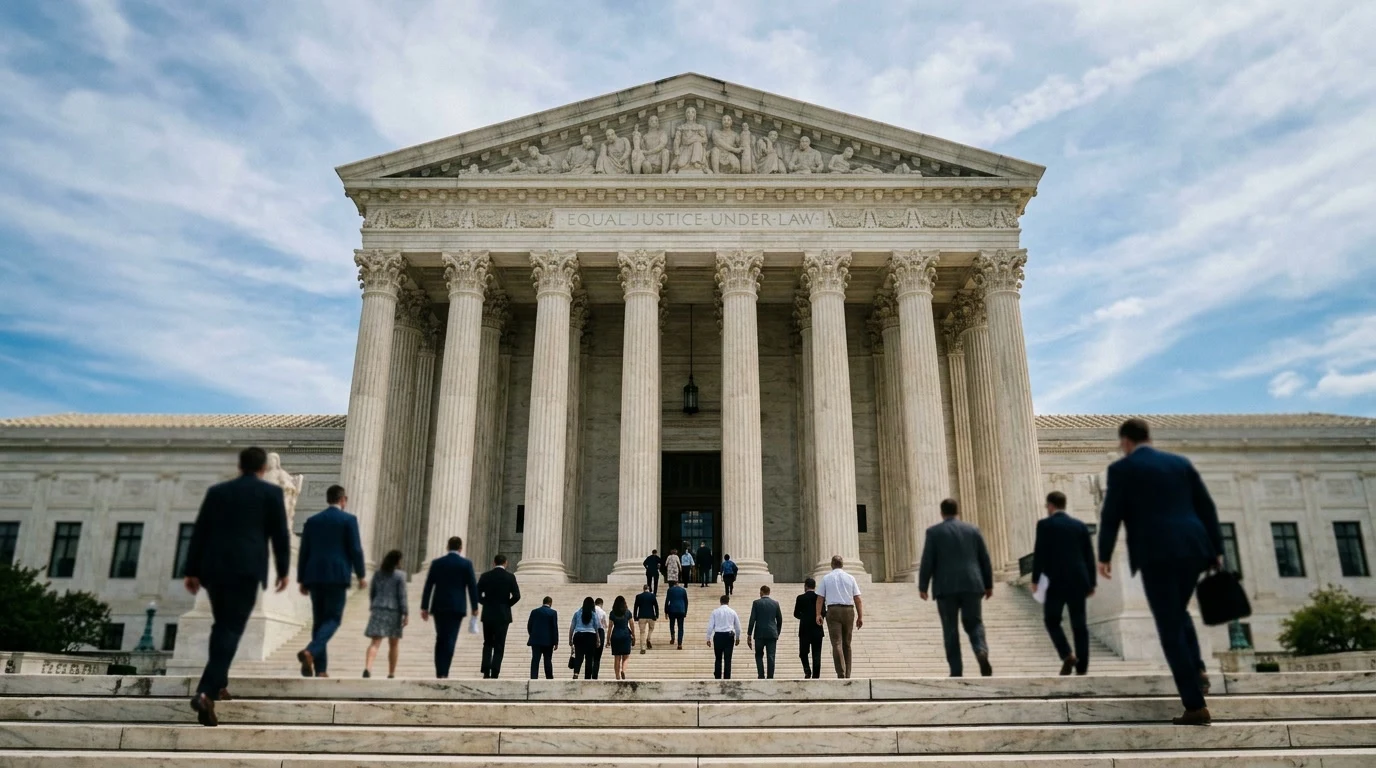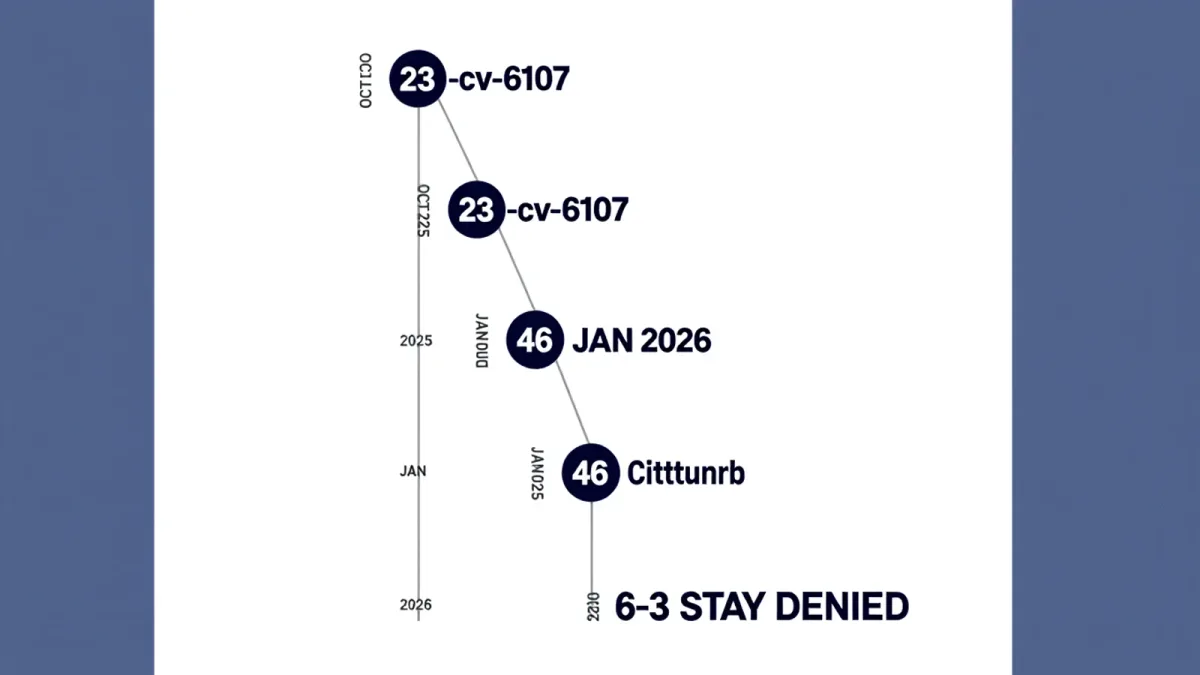
The Supreme Court on December 23, 2025 refused to let the Trump administration deploy Texas National Guard troops in the Chicago area, voting 6-3 to deny the government's request to pause a federal district court order barring the mobilization. The unsigned order in Trump v. Illinois, published on the Court's website as case 25A443, left the lower-court blockade in place while litigation continues.
USA Daily News 24 reports on the legal machinery here; it publishes information, not legal advice, and the case remains unresolved on the merits.
What exactly did the Court decide?
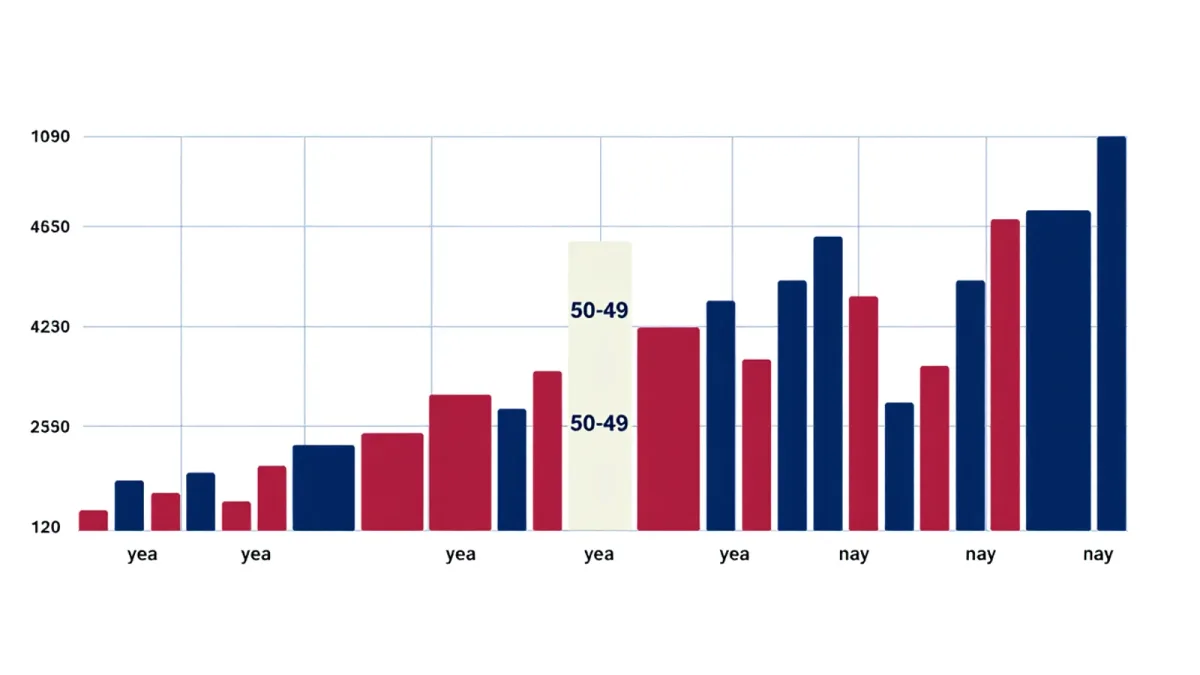
The decision was procedural in form and substantive in effect. The administration had asked the justices to stay a district court injunction while its appeal proceeded; by a 6-3 vote, the Court declined. Three dissenting justices would have allowed the deployment to proceed during the appeal. Because stays at this stage usually signal how the merits will land, the denial reads as skepticism that federalizing another state's guard for domestic operations in Illinois rests on a lawful statutory basis.
Why does Texas matter in an Illinois dispute?
The case turned on the administration's decision to send Texas Guard personnel, rather than Illinois troops, into the Chicago area amid protests and federal immigration operations. A state governor controls the National Guard within that state, and federalizing a second state's force over the first state's objection raised the statutory question federal courts have now blocked twice: whether the circumstances on the ground supported the president's mobilization authority at all. Per the Texas Tribune, the state's forces had already been staged and partially deployed when the order landed.
What did the lower court find?
U.S. District Judge April Perry barred the deployment after finding the administration lacked a lawful basis to federalize troops against Illinois's objections, and a federal appeals court declined to disturb that block. Judge Karin Immergut, a Trump appointee in the separate Oregon litigation, reached the same conclusion there, writing that the president did not have a lawful basis to federalize the National Guard. The pattern across districts matters more than any single order: multiple judges, appointed by both parties, have required concrete facts, not general assertions of unrest, to justify domestic deployment.
What does this change?
The practical effect through February 2026 is that no out-of-state guard forces operate in the Chicago area under the federalized mission, and per Capitol News Illinois, a federal judge has since dismissed the companion mobilization suit following the Supreme Court's action. The structural effect is larger: the vote split 6-3 with Chief Justice John Roberts in the majority, confirming that domestic troop deployment limits are not a party-line question on the current Court. Governors of both parties now have documented precedent to cite the next time a federalized force crosses their border, and Congress faces renewed pressure to define the mobilization standards that statutes currently leave vague.