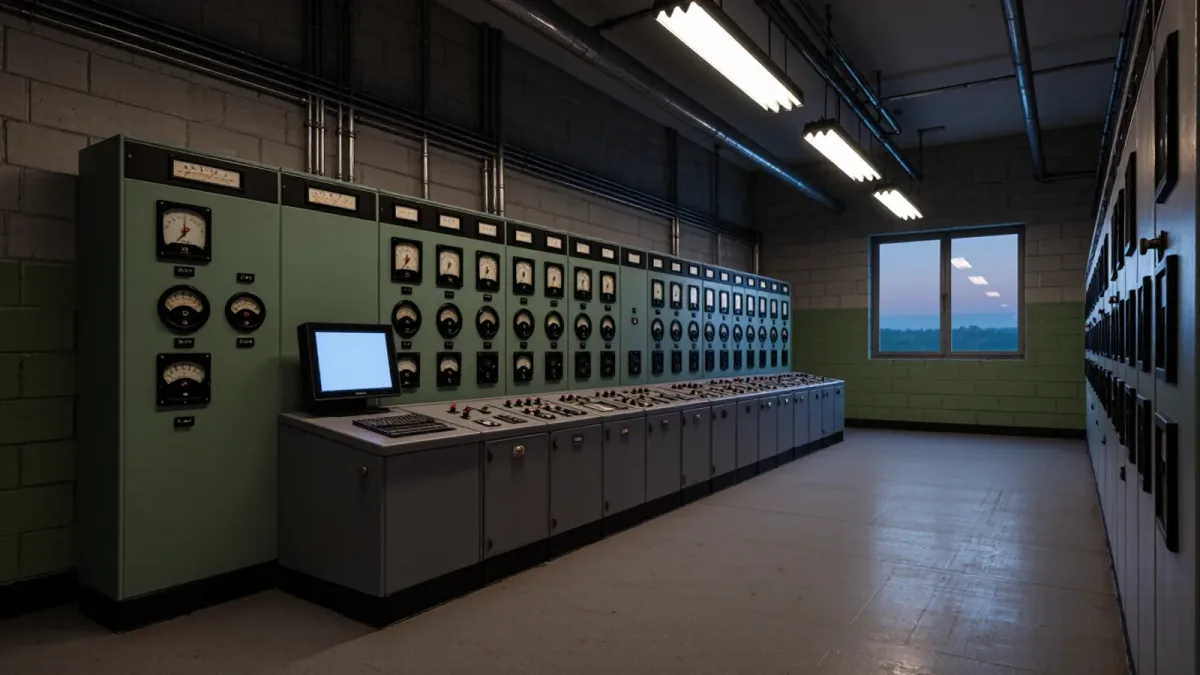
Why US Water Systems Face Cyber Risk
Sixteen thousand wastewater and fifty thousand drinking water systems, most of them tiny utilities with no security staff, are the country's least defended critical infrastructure.
Security covers the national security apparatus: military posture, intelligence oversight, homeland security operations, border enforcement and cyber threats to critical infrastructure. Reporting relies on hearings, declassified material and named officials. Intended for analysts, security professionals, congressional staff and readers assessing threat claims against the evidence offered.
Coverage spanning defense posture, intelligence oversight, homeland security and cyber threats to infrastructure, built on testimony and public documents.
Sixteen thousand wastewater and fifty thousand drinking water systems, most of them tiny utilities with no security staff, are the country's least defended critical infrastructure.
Three decades of mergers turned a fifty-company defense industry into five prime contractors, and the Pentagon is now spending billions trying to manage the consequences.
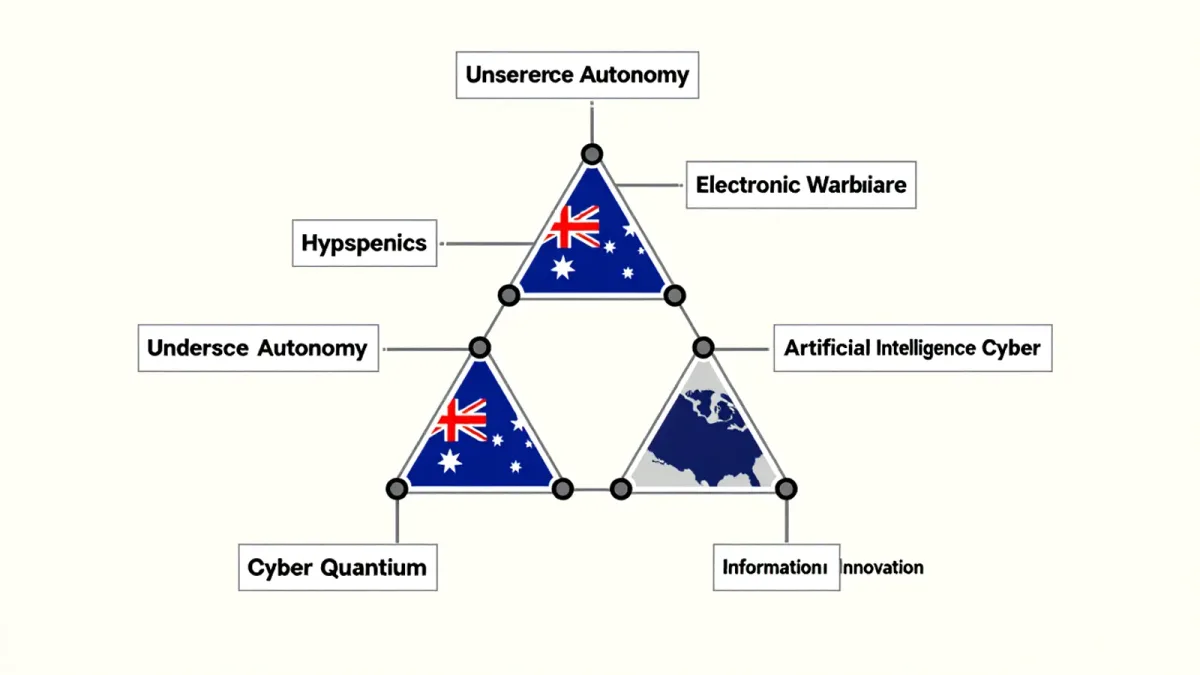
The second pillar of the Australia-UK-US partnership is about hypersonics, undersea drones and AI — and it is designed to plug non-US allies into American defense technology.

The planned homeland missile defense shield is less a single dome than a stack of sensors, interceptors and command software that does not yet exist.