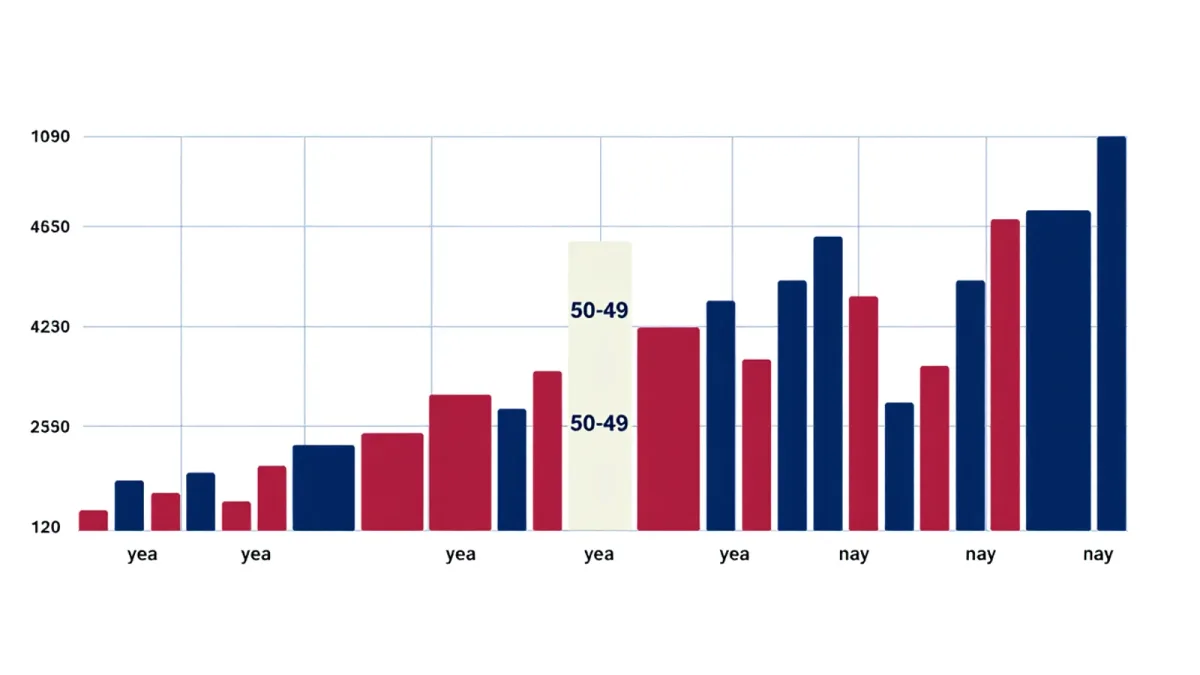
The Senate voted 50-49 on April 16, 2026 to pass H.J.Res. 140, a Congressional Review Act resolution that nullifies Public Land Order 7917 — the federal withdrawal that barred mineral and geothermal leasing on 225,504 acres in Minnesota's Rainy River watershed for 20 years. The Stauber resolution cleared the House on January 21, 2026, per the congressional record.
What did the land withdrawal actually do?
Signed in the final weeks of the Biden administration, Public Land Order 7917 withdrew the federal acreage in Cook, Lake and St. Louis counties — land within the Superior National Forest upstream of the Boundary Waters Canoe Area Wilderness — from new mineral and geothermal leasing for two decades. The withdrawal did not ban mining on state or private land, and it did not revoke existing leases; it fenced new federal lease applications out of the watershed that drains into the Boundary Waters, a canoe wilderness whose economics depend on undisturbed water.
Why use the Congressional Review Act for it?
The CRA lets Congress void recently issued federal rules by simple majority vote, outside the filibuster, and — the feature that makes the tool potent — it bars agencies from reissuing a substantially similar rule. Land orders issued in the waning months of an administration qualify under the law's timing windows, which is why the resolution needed only 50 votes plus the vice president rather than the 60 votes a standalone bill would demand. Supporters in the Minnesota delegation called the withdrawal an end-run around Congress's mining laws; opponents called the resolution a way to kill a protection without the votes to legislate one.
What does nullifying the order mean on the ground?
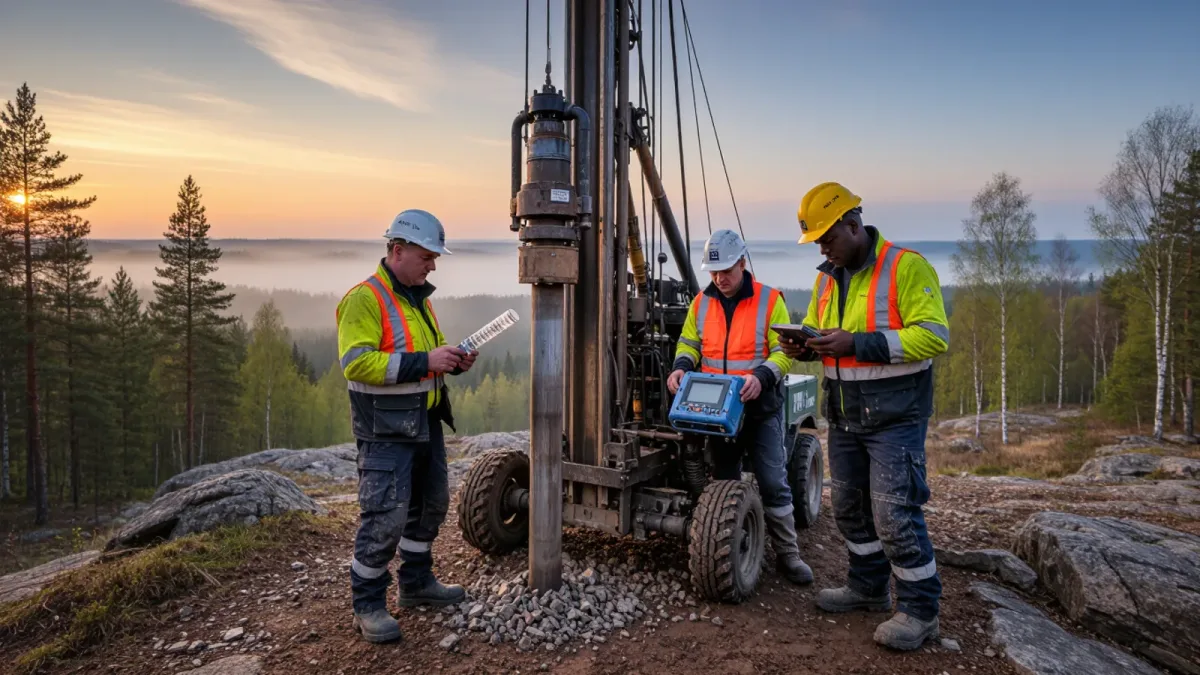
With PLO 7917 voided, the Bureau of Land Management returns to the pre-withdrawal status quo, in which companies may again apply for federal mineral leases in the watershed — a process controlled by BLM leasing decisions and environmental review rather than by the blanket bar. Whether copper-nickel projects actually advance depends on permitting outcomes that take years, and state permitting adds another gate. The vote does not itself approve any mine, and it does not affect the Boundary Waters wilderness itself, which remains closed to development under separate law.
What does this change?
The vote is the first CRA of the 119th Congress aimed at a land-order, and its template is transferable: any late-administration withdrawal, on any federal acreage, is now visibly vulnerable to the same simple-majority reversal. Environmental groups have pledged litigation over the resolution's application to land orders as opposed to rules, a question the CRA's text does not cleanly answer. Minnesota's congressional split — the 8th District celebrating, wilderness-adjacent districts objecting — keeps the region's mining question on the ballot again in November.