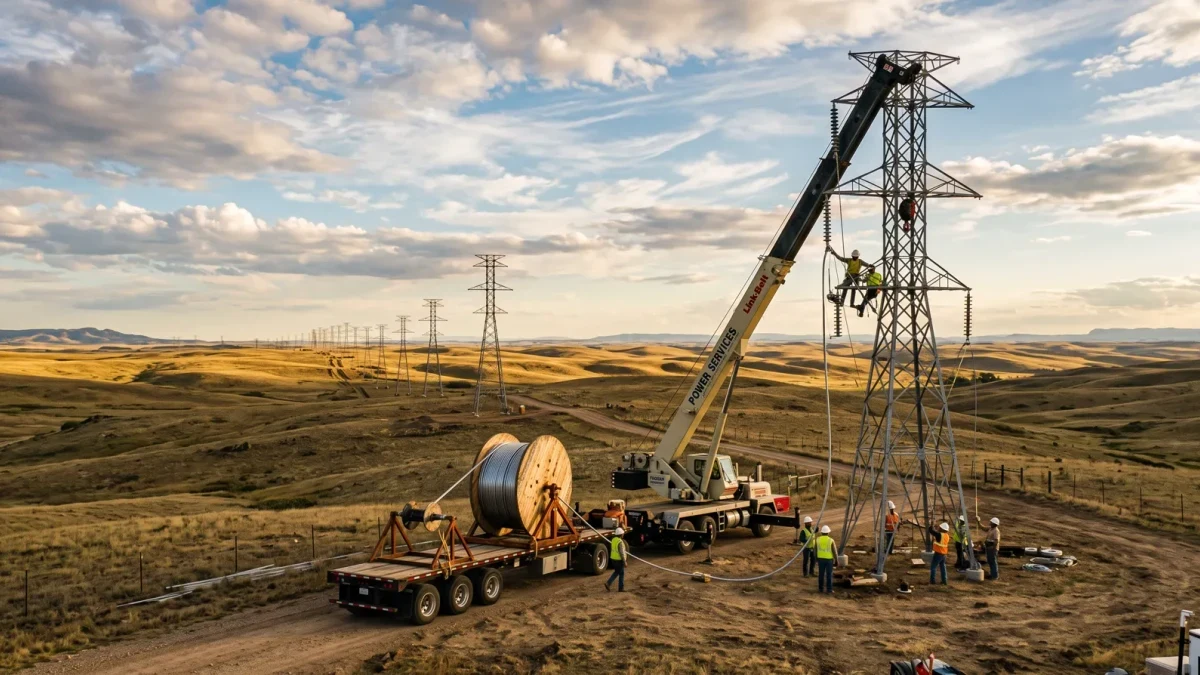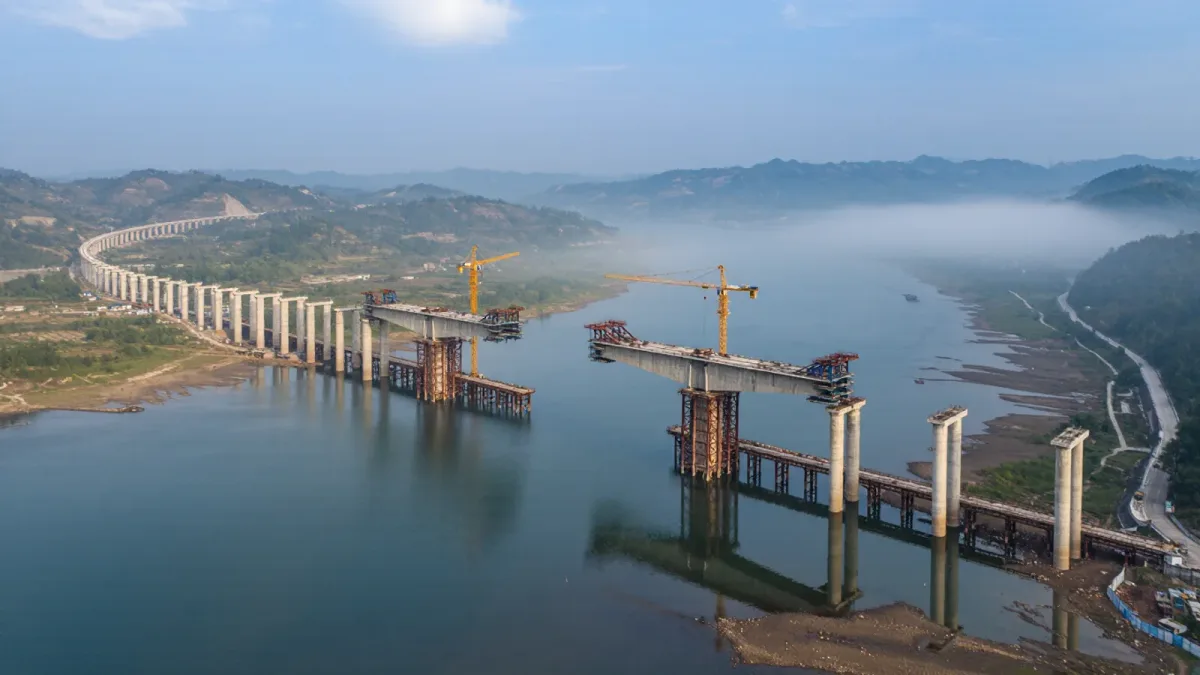
A federal environmental review of a major infrastructure project takes years, not months: Council on Environmental Quality data cited across the permitting-reform debate put the average environmental impact statement at roughly four and a half years from notice of intent to final document, with energy and transportation projects often longer. The National Environmental Policy Act of 1970 starts that clock.
Permitting delay is the most cited and least examined complaint in American infrastructure policy. Every administration since the 1990s has promised to speed it up; Congress has amended the process in 2015, 2023, and since. The honest answer to "how long does it take" is that it depends on one decision first: whether the project requires an environmental assessment or a full environmental impact statement, because the two paths differ in cost and duration by an order of magnitude. This explainer separates the documented timelines from the folklore, names the statutes that dominate the calendar, and identifies the reforms that have actually moved dates.
What are the two review paths under NEPA?
Most projects that touch federal funds, land, or permits go through an environmental assessment, a shorter review that either concludes with a finding of no significant impact — commonly issued within months to about two years — or reveals significant impacts and escalates to an environmental impact statement. The EIS is the heavy path: a scoping process, a draft statement for public comment, a final statement, and a record of decision, each step with mandatory public windows. Federal reports from the 2010s and early 2020s put the EIS average near four to five years and typical document length in the hundreds of pages. Which path a project takes depends on the lead agency's significance determination, and that early judgment is where most schedule risk is created — an ambiguous assessment can commit a project to the multi-year track months after construction planning assumed otherwise.
Which statutes actually drive the timeline?
NEPA is the clock, but it is not alone. Section 404 of the Clean Water Act requires Army Corps permits for discharging fill into waters and wetlands, and jurisdictional determinations can take their own year. The Endangered Species Act requires formal consultation with the Fish and Wildlife Service or NOAA Fisheries when a listed species or habitat is present — formal consultations have averaged well over a year in some periods, by Fish and Wildlife Service data cited in GAO reviews. Section 106 of the National Historic Preservation Act requires consultation with tribes and state offices on historic resources. Each runs on its own statute, its own deadlines — where any exist — and its own appeal structure, and they run in parallel or sequence depending on how well the applicant coordinates. Congressional Research Service reviews attribute more schedule variance to coordination failure among these processes than to any single agency's slowness.
What did the 2023 reforms actually change?
The Fiscal Responsibility Act of June 2023 produced the first major bipartisan NEPA amendments in decades. They set page limits — generally 150 pages for an EIS, 300 for unusually complex projects — and soft deadlines of two years for EIS completion and one year for environmental assessments, imposed a 150-day statute of limitations on legal challenges with the clock starting at publication, and directed a single lead agency to coordinate the analysis that other agencies need. Separately, the FAST Act's 2015 permitting framework — title 41 of that law — had already created a Federal Permitting Improvement Steering Council with a dashboard tracking covered projects and statutory schedule commitments. The measurable question is enforcement: the deadlines carry qualification language, and observers from both the industry and environmental law communities have noted that litigation risk, more than drafting time, drives aggregate duration.
Where does the delay actually come from?
Three documented sources. First, funding and staffing at the reviewing agencies: applicants pay for consultants, but the agencies that review and sign are budget-limited, and understaffed offices queue projects. Second, litigation and remands: suits under NEPA and the Endangered Species Act can add years, and courts increasingly remand analyses for further study — the ninth circuit-heavy geography of infrastructure litigation is a standing feature of the field. Third, serial process: an incomplete species consultation discovered mid-review can reopen the NEPA analysis, restarting clocks sequentially. Reform advocates emphasize that most of the aggregate delay accumulates before the draft EIS, in scoping and data collection — which is why the 2023 focus on early coordination targets the documented bottleneck rather than the public-comment theater that receives the political attention.
Does state permitting add its own years?
Yes, and the federal numbers understate total timelines for exactly that reason. State environmental acts in California and New York run their own reviews, state utilities commissions approve transmission and generation siting, and local zoning can stall a project that cleared every federal desk. GAO and state-commission reviews have documented renewable-energy and transmission projects where the interconnection and state siting sequence exceeded the federal review. This is why the most consequential reforms of the mid-2020s were partly federal preemption and backstop provisions — authority for federal agencies to approve siting of national-interest transmission — and why project developers increasingly sequence applications so state and federal review windows overlap rather than run in series. The federal calendar and the state calendar interact; neither is the full answer to the headline question.
What does this change for projects now?
The realistic expectation for a major project with federal touchpoints is two to five years from pre-application work to construction authorization if it stays on the assessment or streamlined path, and longer if it requires a contested EIS with listed species or wetlands complications. Applicants who front-load data — species surveys, wetland delineations, tribal consultation started before the application — shorten their own calendars more than any statutory reform does, a conclusion both the permitting council's guidance and agency case studies support. Watch two metrics that the permitting council's dashboard now publishes: median time from notice of intent to record of decision for covered projects, and the share of decisions litigated. If those move, the reform debate has found the real bottleneck at last.