How a bill becomes a law is a longer road than the schoolhouse version suggests. A bill is a proposal for a new law or a major change to an existing one, and it does not become law until the legislature passes it and, in most cases, the president approves it. Between introduction and signature sit committee markups, floor votes in both chambers, and often a negotiation to reconcile two different versions of the same idea.
This guide walks through each step in order, using the standard federal process. The details matter for anyone reading a policy story: knowing where a bill sits in the process tells you whether it is a real proposal, a bargaining chip, or a press release with a bill number.
What is a bill, exactly?
A bill is a draft statute. According to Wikipedia's overview of bills in law, bills generally include titles, enacting provisions, statements of intent, definitions, substantive provisions, transitional clauses, and the dates when the bill takes effect. Until it passes, it is a bill. Once enacted, it becomes an act, or a statute.
In the United States, all bills must originate from the legislature itself. The president cannot introduce one. A member of the House or Senate drops the bill into the hopper, it gets a number, and it is assigned to a committee. That assignment is the first fork in the road, and for most bills it is also the end of it.
What happens in committee?
Committees are where the real work happens, and where most bills stop. The committee's chair decides which bills get a hearing and which get ignored. A bill that never receives a hearing simply expires when the two-year Congress ends. Nobody votes it down. It just sits.
If a bill does move, the committee holds a hearing where witnesses testify, then a markup. A markup is a working session where members offer amendments line by line. They strike language, add provisions, and vote on each change. The result is a committee report explaining the bill and why the committee recommends it, or a divided report if members disagree.
Our analysis: the markup is the least visible and most consequential step. A provision that would draw headlines on the floor can be inserted or deleted here with almost no public attention. Readers tracking a specific proposal should watch the committee calendar, not just floor action.
What does a floor vote actually decide?
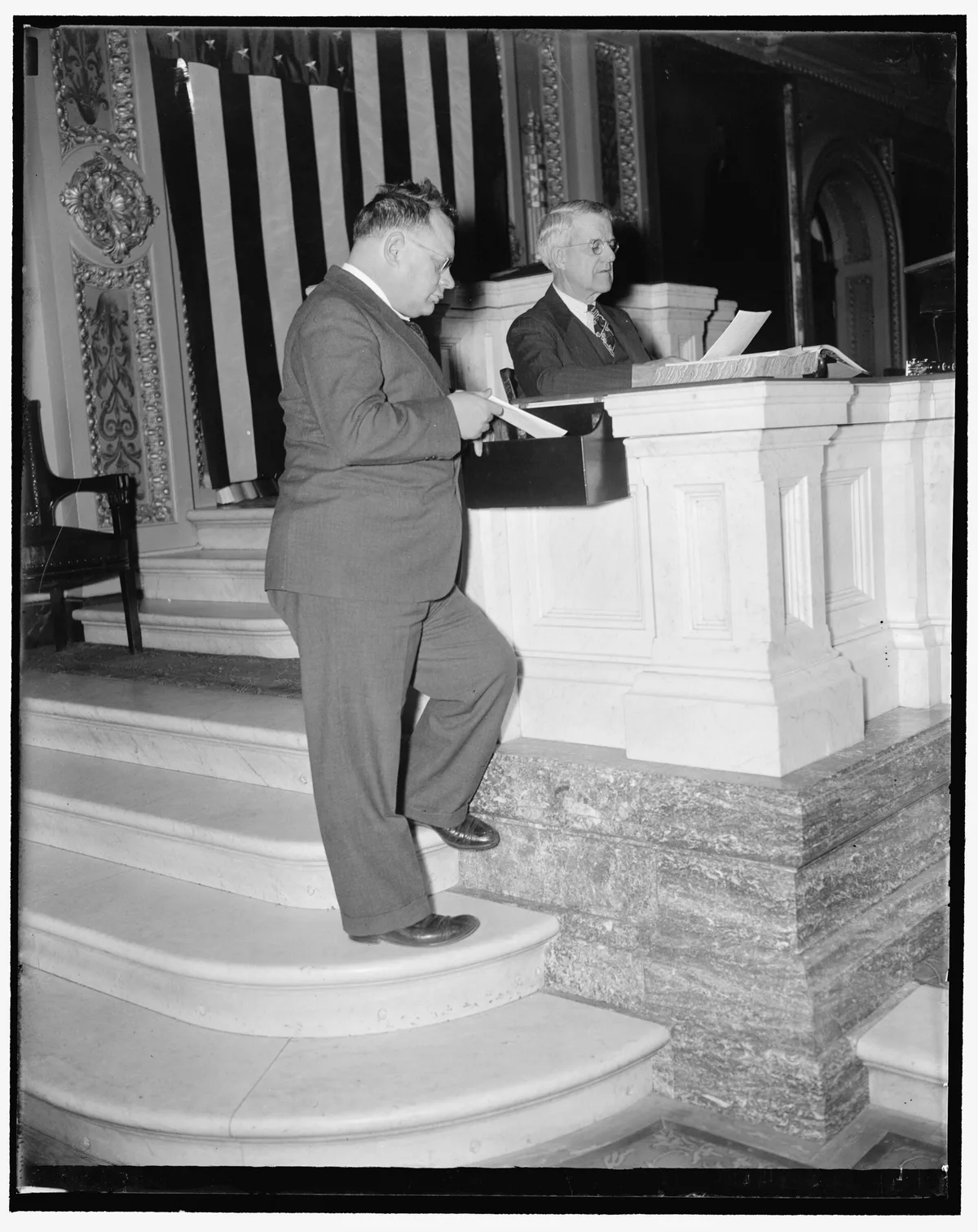
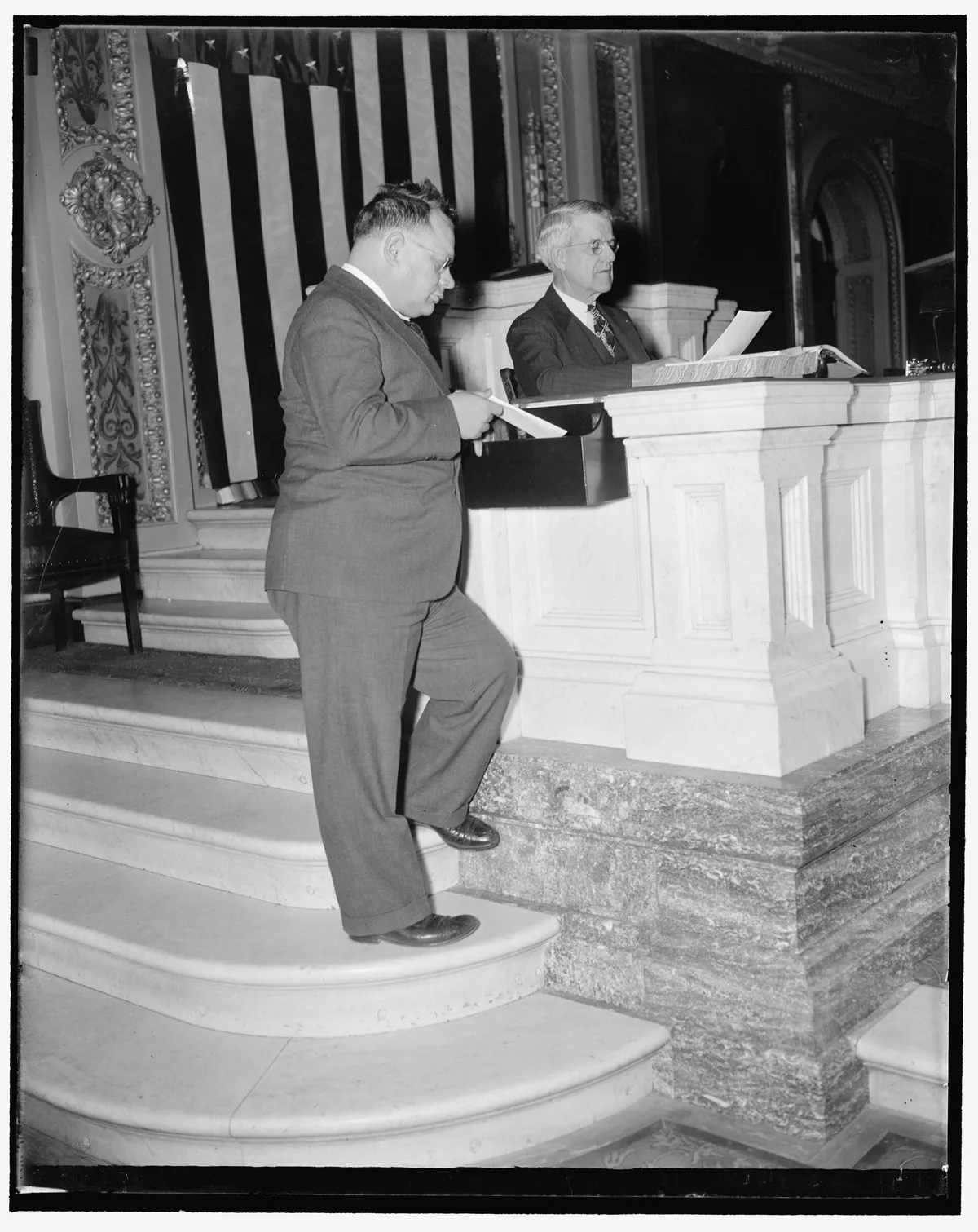
After committee, the bill goes to the full chamber. In the House, the Rules Committee typically sets the terms of debate, including which amendments are allowed. In the Senate, debate rules differ, and a bill needs broad consent to reach a final vote at all.
The floor vote is on the bill as amended. Members vote yes, no, or present. If it passes, the bill crosses to the other chamber, where the whole process starts again: committee, markup, floor. The second chamber frequently changes the bill, which sets up the next problem.
What if the House and Senate pass different bills?
Both chambers must pass identical text. When their versions differ, they can resolve it a few ways. One chamber may simply accept the other's version. More often, leaders negotiate directly, or the chambers form a conference committee.
A conference committee is a temporary group drawn from both chambers, usually the members who handled the bill, plus their staffs. They hash out a single compromise text called a conference report. Each chamber then votes on that report with no further amendments allowed. Take it or leave it. If either chamber rejects it, the bill stalls or leaders try again.
This step is where big bills get their final shape. Tax bills, farm bills, and spending packages are routinely rewritten in conference, and the compromise text is often the only version that can clear both chambers.
What does the president do with a bill?
Once both chambers pass identical text, the bill goes to the president. The president can sign it, and it becomes law. The president can also veto it, sending it back with objections. Congress can override a veto if both chambers pass the bill again by a two-thirds vote of members present, a high bar that most vetoes survive.
A third option is to do nothing. Under the Constitution, if the president neither signs nor vetoes a bill within ten days while Congress is in session, it becomes law without a signature. If Congress has adjourned within that window, the bill dies. That outcome is called a pocket veto.
Signing is not the finish line, though. A new law usually directs an agency to write the detailed rules that carry it out, a separate process covered in How a Federal Agency Writes a Rule. And for bills with a price tag, the independent cost estimate often decides their fate before any vote, as explained in What a CBO Score Decides for a Bill.
Why do most bills fail, and what does this change for readers?
Most bills never become law because the process is full of choke points, and every one of them is a place to say no. A chair can refuse a hearing. A committee can amend a bill into something unrecognizable. A chamber can pass a version the other chamber will never accept. A conference can collapse. A president can veto. At each step, the burden is on the bill's supporters to keep the coalition together.
The practical takeaway for readers: when a bill is announced, find its stage. A bill introduced yesterday is a statement of intent. A bill that has cleared committee in one chamber is a live proposal. A bill that has passed both chambers in different forms is halfway through the hard part. A bill on the president's desk is nearly a law, unless it is not.
What this means is that the story of any major law is really the story of a handful of narrow passages. The schoolhouse diagram is not wrong. It just leaves out the part where page 47 of the bill text changes everything, and almost nobody is watching when it does.