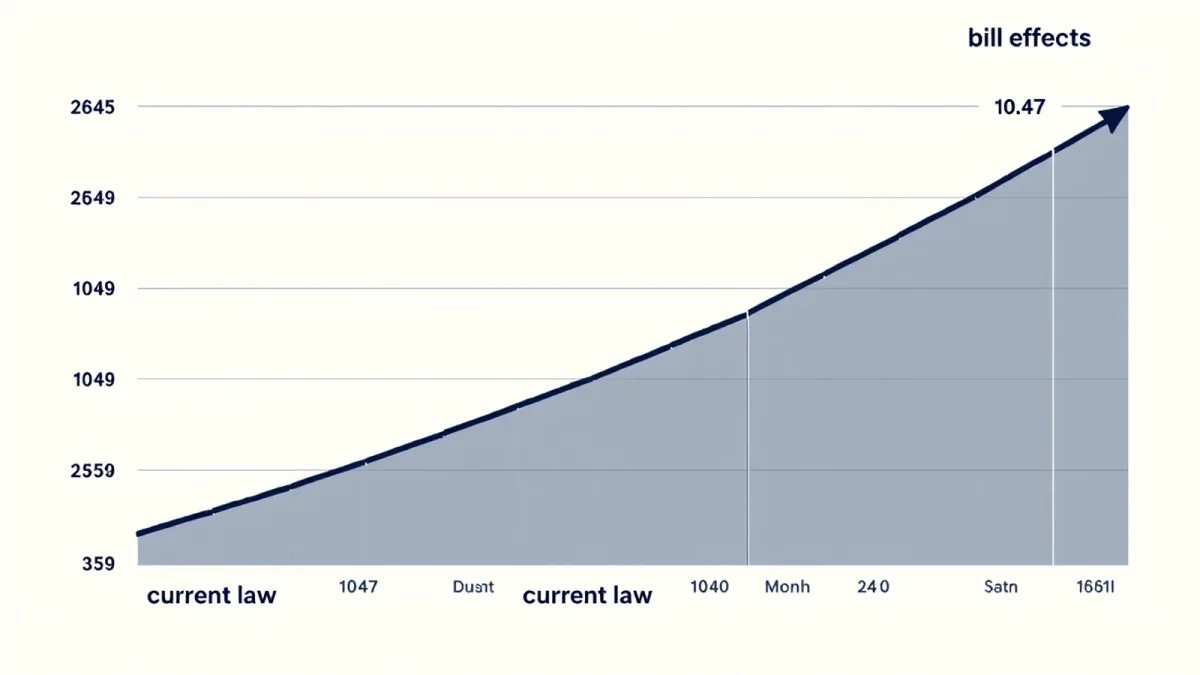
What a CBO Score Decides for a Bill
The Congressional Budget Office's cost estimate is not a verdict on a bill's merits, but in practice no major bill moves without one — and the score's assumptions can remake legislation.
Federal legislation and regulation examined through bill text, cost estimates, agency guidance and effective dates, so readers know what changes and when.
The Congressional Budget Office's cost estimate is not a verdict on a bill's merits, but in practice no major bill moves without one — and the score's assumptions can remake legislation.

The budget justification is where an agency explains, in its own words, what Congress's money buys — and its fixed anatomy makes the important lines findable.

The farm bill splits federal farm support between income-support programs, a heavily subsidized crop insurance system, and nutrition spending that dominates the dollar total.

The federal gas tax that funds America's highways has not moved since 1993, and every year the fund spends more than its fuel revenue brings in.
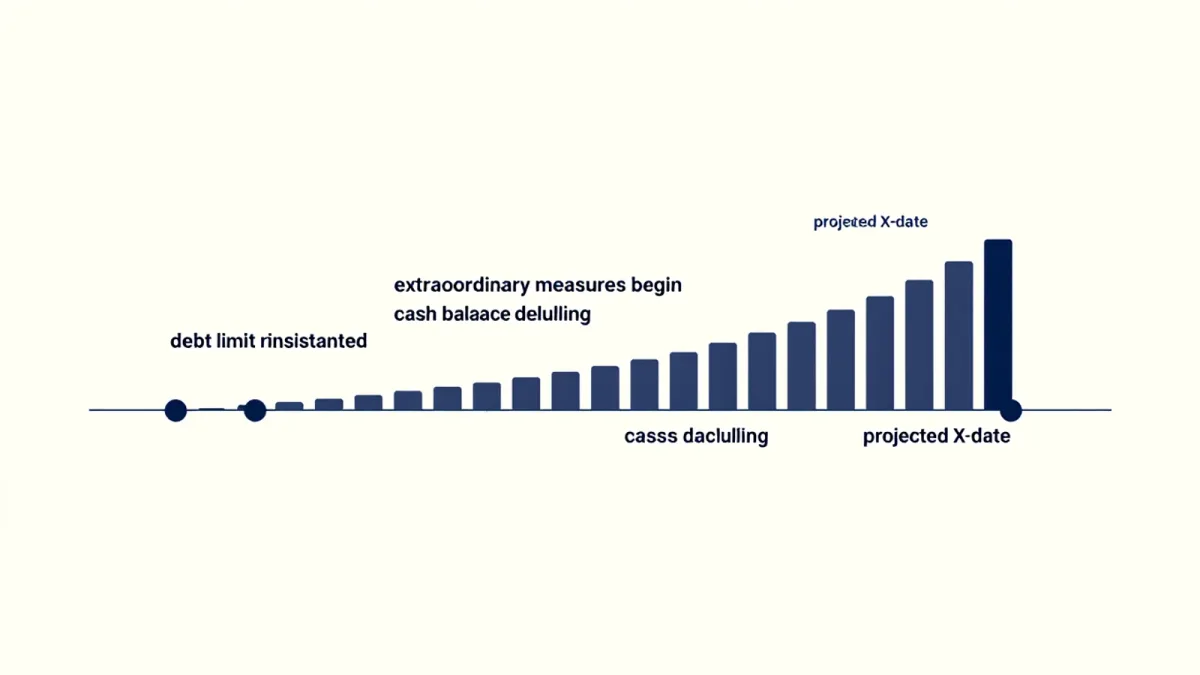
The debt limit caps what Treasury may borrow, and the X-date is the day cash and extraordinary measures run out — a calendar Washington has relearned every few years since 1917.

Between a statute and an enforceable regulation stands a fixed procedural pipeline — proposal, comment, review — and every step is an opportunity to change or kill the rule.