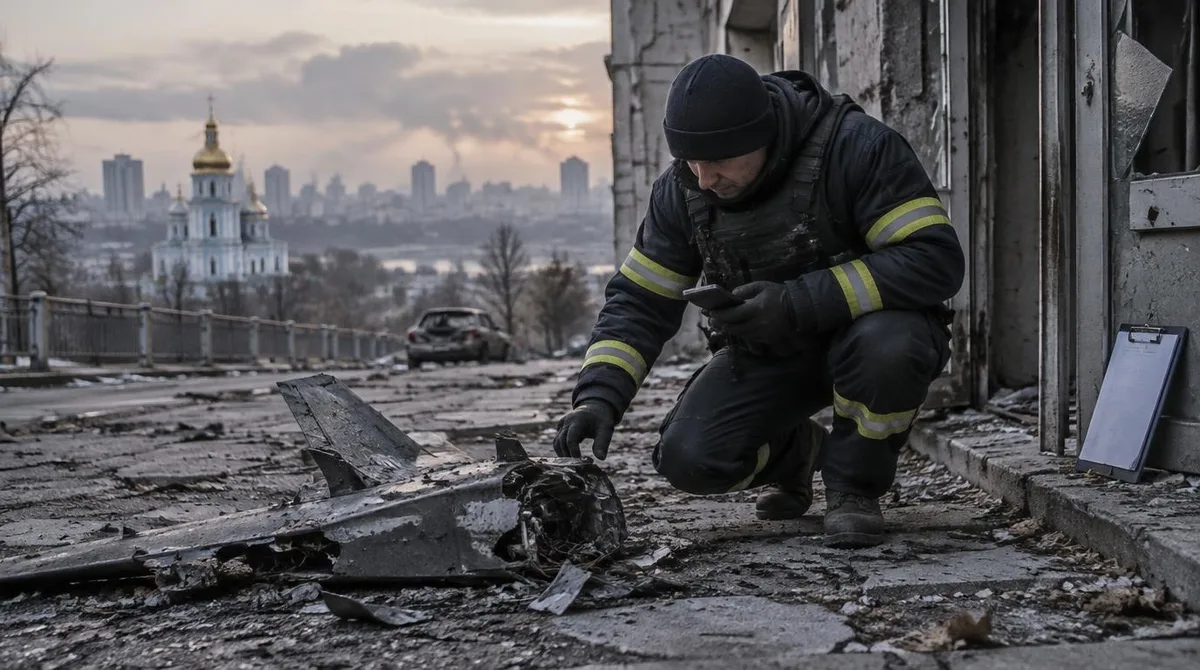
Russia military news right now comes down to three things: the tempo of strikes on Ukraine, friction with NATO neighbors, and what the Kremlin says about the West. Watching those three threads tells you more about Moscow's posture than any single announcement. The most recent, verifiable marker is scale: Russia launched more than 400 drones and 110 missiles across Ukraine in one overnight barrage, killing at least seven people in Kyiv, according to Al Jazeera's continuing coverage from the region.
That pace matters for US readers for a plain reason. Strike volume is one of the few Russian military indicators that can be counted from open sources. When the count rises, it says something about production, stockpiles and intent that no statement from Moscow will.
This piece is an explainer, not a prediction. It lays out what the documented record shows, what each signal does and does not tell you, and where the honest unknowns sit. For broader context on how Washington pays for what it watches, see our security coverage.
What does the current strike tempo actually show?
The overnight barrage figures — more than 400 drones and 110 missiles — are the kind of number that carries real information. Sustained barrages at that scale require an industrial pipeline behind them: airframes, engines, guidance and launch crews. A one-off spike can come from stockpiles. A repeated pattern points to production that has found its rhythm.
The pattern also shows in targets. Al Jazeera's reporting describes emergency crews in Ukraine hit by a double-tap strike — a second attack timed to hit responders at the scene. Double-tap tactics are documented in this conflict and shape how Ukrainian civil defense has to operate.
What strike tempo does not tell you: battlefield position, manpower levels or how long the pipeline holds. It is a production indicator, not a victory indicator. Treat any claim that a barrage proves an imminent offensive as unsupported.
Why does border friction with NATO states matter?
The second thread to watch is how Russia's neighbors behave, because their day-to-day decisions are a real-time gauge of threat perception. Two recent items stand out in the open record. Estonia has tightened border controls, and Russian officials have complained of what they call a "new Iron Curtain" in response, as carried in Al Jazeera's Russia coverage. Denmark expelled a Russian diplomat over an alleged plot to kill a Ukrainian rapper living there.
Neither item is a military event. Both are diplomatic ones. But expulsions and border closures happen when states conclude that routine relations carry risk. They are the paper trail of a hardening posture on both sides.
There is also the question of direct spillover. When missiles or drones cross into NATO territory, the alliance faces a decision it has rehearsed on paper for decades: what response is proportionate, and who decides? Al Jazeera has run a dedicated explainer on Russian missiles hitting Poland and whether NATO could respond, which is the right starting point for how that machinery works.
What is Russia building at home?
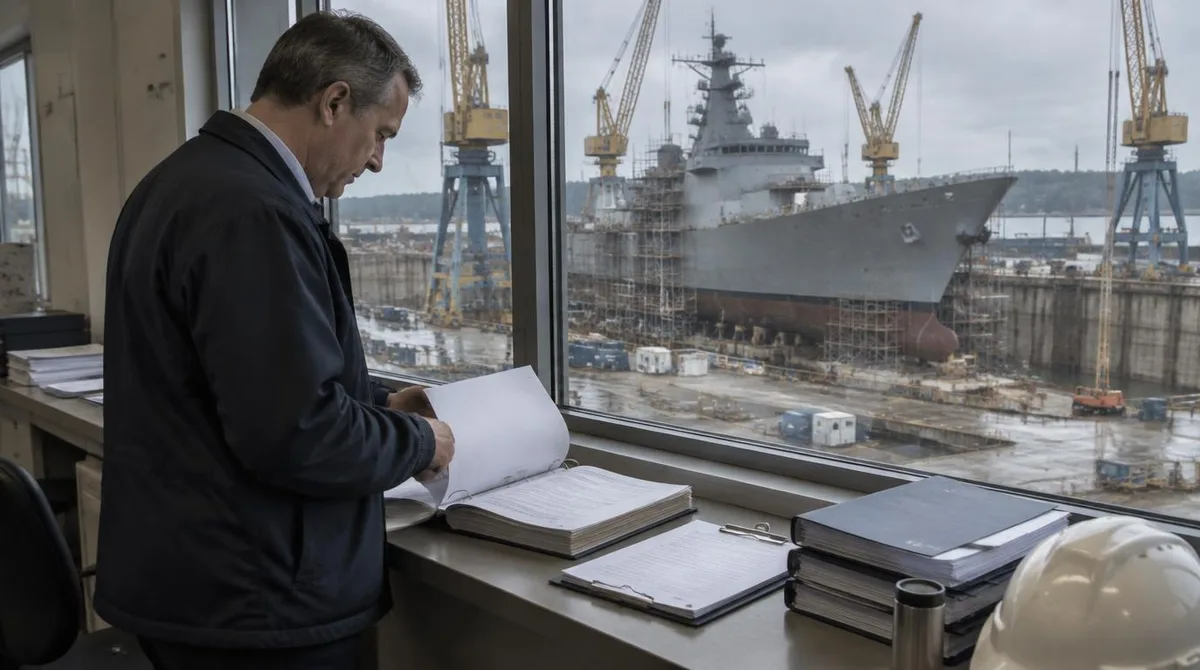
The third thread is domestic, and it is the hardest to read from outside. Open-source reporting on Russian defense production is thinner than reporting on the war itself, and this is where discipline matters most. Claims about tank output, shell production or new weapons systems should be attributed to a named source or left out. This article makes no such claims, because the supplied record does not support them.
What the public record does support is the character of the effort. Russia's leadership has long relied on what analysts describe as an asymmetric toolkit — cyber operations, disinformation, energy leverage and support for fringe political movements — alongside conventional force. A country profile from the Nations Online Project, drawing on US Senate and academic sourcing, describes this pattern as a deliberate substitute for conventional economic and soft-power strength.
That framing is useful for readers sorting signal from noise. A Russian military posture is not only uniforms and hardware. It is the full stack: the conventional force, the industrial base feeding it, and the gray-zone tools running in parallel. Watch all three, and discount any analysis that watches only one.
What does this change for US security planning?
The first implication is alliance math. Every NATO member's spending debate now runs against a baseline of sustained Russian strike operations in Ukraine, not the pre-2022 one. Our earlier piece on NATO's 5 percent pledge covers how the alliance rewrote its spending expectations — a debate that Russian behavior directly feeds. This connects to our earlier piece, NATO's 5 Percent Pledge Rewrites the Alliance's Spending Math.
The second is industrial. A war that consumes hundreds of drones in a single night is, among other things, a demand signal. It tells every defense ministry, including Washington's, what a high-tempo conflict actually burns. That arithmetic sits behind current arguments about US munitions stockpiles and production lines, which our coverage of the defense industrial base examines in detail.
The third is the gray zone. The asymmetric toolkit — cyber, disinformation, sabotage-adjacent activity — does not stop at Ukraine's borders. US critical infrastructure remains a documented concern in this space; our explainer on why US water systems face cyber risk covers one concrete example of the exposure.
How should a reader judge the next headline?
Practical steps, based on how the documented record behaves:
- Look for the number and the source. A claim about drones, missiles or casualties should name who counted. Al Jazeera's barrages coverage gives figures and context in the same breath. A headline without either is a mood, not a fact.
- Separate event from trend. One bridge strike or one diplomatic expulsion is an event. A pattern across weeks is a trend. Only trends support conclusions about posture.
- Discount official statements in both directions. Russian complaints about an "Iron Curtain" and Western warnings about Russian intent are both advocacy. Neither substitutes for counted, sourced facts.
- Watch what gets built, not just what gets said. Production figures, budget lines and mobilization moves are slower than statements and harder to fake.
Our analysis, stated plainly: the verifiable record shows a war economy sustaining high-volume strike operations, neighbors hardening their borders, and a Kremlin that treats unconventional tools as a core capability rather than an add-on. What remains unknown is the durability of the production tempo and Moscow's appetite for direct confrontation with NATO. Those questions will be answered by data over months, not by any single day's Russia news feed. Until then, the counting is the analysis.