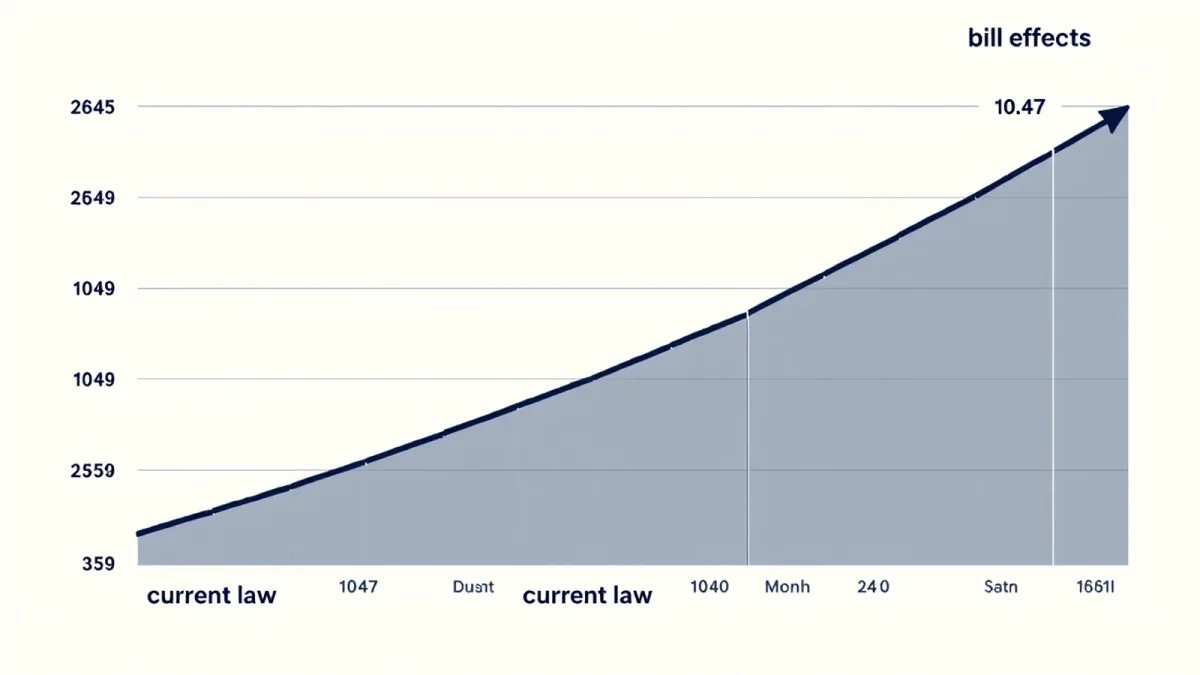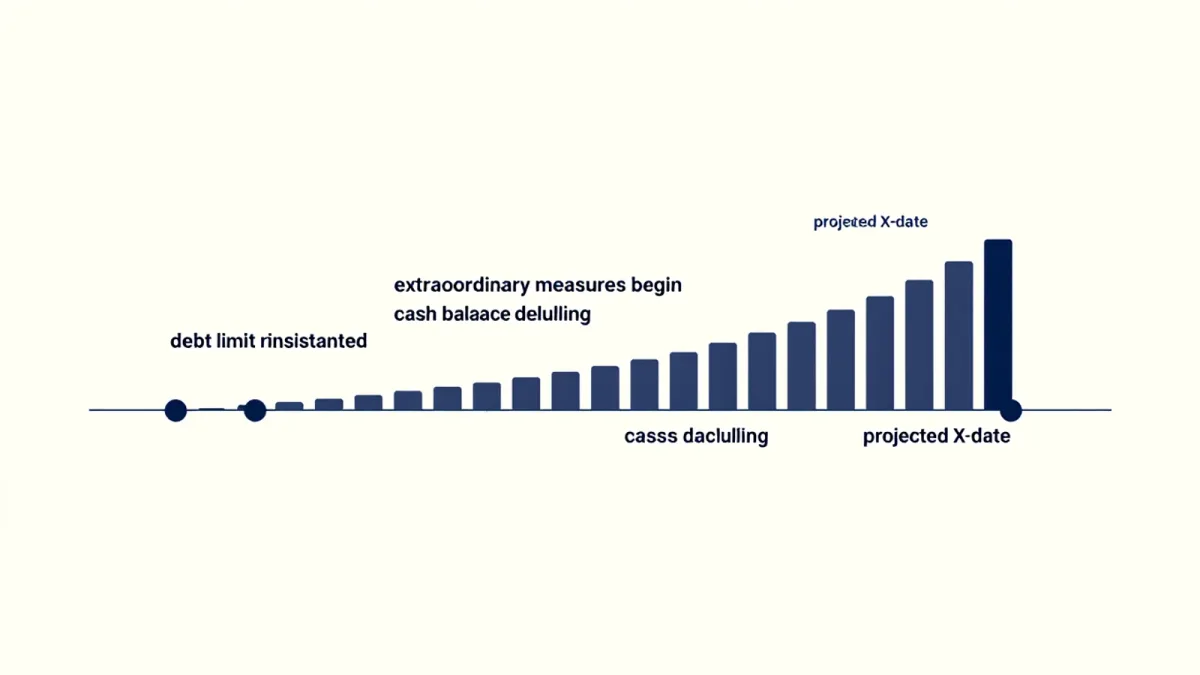
The Highway Trust Fund is short because its revenue source — the federal gasoline tax of 18.4 cents per gallon, unchanged since 1993 — covers roughly half of what Congress spends from the fund each year, and general-fund transfers close the gap. CBO projects the highway account cannot meet obligations in the second half of the 2020s.
The fund was created in 1956 to finance the Interstate Highway System, with a simple promise: user fees on fuel would pay for the roads the fees were collected on. That user-pays architecture held for four decades, then broke. Inflation has eroded the fixed cents-per-gallon tax by roughly half in real terms since 1993, vehicles have become more efficient, and the newest class on the road — electric vehicles — pays no fuel tax at all. The result is a structural shortfall, not a one-year blip, and Congress has papered over it repeatedly since 2008. What follows is how the fund works, why the math stopped adding up, and the reform options actually on the table.
How does the Highway Trust Fund work?
The fund has two accounts. The highway account, fed by taxes on gasoline, diesel, and other motor fuels, finances federal-aid highway programs administered by the Federal Highway Administration. The mass transit account, fed by 2.86 cents of the 18.4-cent gasoline rate, funds public transportation grants through the Federal Transit Administration. The Treasury's Internal Revenue Service collects the excise taxes; the Department of Transportation spends them under multiyear authorization laws — the current surface-transportation framework, the Bipartisan Infrastructure Law of 2021, authorized roughly $350 billion for federal highway programs over five years. The fund cannot borrow. When its balances run low, the only remedies are new revenue, lower spending, or a transfer from the general fund, which requires separate legislation.
Why did the math stop working?
Three forces, all measurable. First, the fixed rate: 18.4 cents per gallon has stayed constant while construction costs have more than doubled, so the same gallon buys progressively less pavement. Second, efficiency: federal fuel-economy standards have pushed average new-vehicle consumption steadily upward since the 1970s, cutting gallons purchased per mile driven. Third, electrification: electric vehicles, still a minority of the fleet as of 2025, contribute essentially nothing to fuel-tax receipts while using the same roads. Meanwhile, Congress has repeatedly increased spending from the fund without raising the tax — most recently in 2021. The Congressional Budget Office's baseline work documents the consequence: outlays from the highway account have exceeded dedicated revenues every year since the mid-2000s, with the gap widening as inflation compounds.
How has Congress kept it solvent so far?
With transfers. Since 2008, Congress has enacted a series of general-fund transfers to the Highway Trust Fund totaling on the order of $275 billion, according to Congressional Research Service tallies. Some transfers were one-shot infusions attached to broader bills; the largest recurring one, enacted in the 2021 infrastructure law, moved roughly $118 billion in general revenues into the trust fund, an acknowledgment that fuel taxes alone no longer cover authorized spending. Each transfer defers the insolvency date without changing the underlying equation. The practical effect is that part of federal highway spending is now financed by taxpayers generally — including people who never drive — rather than by road users, dissolving the user-pays principle the fund was built on.
What reform options are on the table?
Four dominate the record. Raise the fuels tax: each penny of gasoline tax raises roughly $1.5 billion a year, by CBO's standing estimates, so restoring purchasing power would mean an increase of several tens of cents — politically heavy, as the 1993 increase remains the last one enacted. Index the tax to inflation or construction costs, which converts a recurring political fight into automatic adjustment. Charge electric and alternative-fuel vehicles an annual registration fee, which several states already do and federal proposals have floated. Or move to a vehicle-miles-traveled fee, charging drivers per mile instead of per gallon — the technically cleanest match to road use, tested by a federally supported pilot program that reported in 2022 after enrolling thousands of volunteer drivers across multiple states, with privacy and collection logistics still unresolved.
What did the 2021 law actually change?
The Bipartisan Infrastructure Law changed spending, not revenue. It reauthorized highway and transit programs at the largest levels since the Interstate era and added roughly $118 billion in general-fund transfers to keep the trust fund whole through fiscal 2026. Proponents described the transfers as bridging to a user-fee fix; the law itself enacted none. That design choice set the current calendar: unless Congress acts, the fund returns to its underlying arithmetic — fuel revenue covering roughly half of authorized outlays — in the late 2020s, with the CBO baseline marking the projected shortfall year.
How do states handle the same problem?
Most states face it sooner, because their own fuel taxes are even lower in real terms. Since 2013, more than half the states have raised or restructured their motor fuel taxes, many adding automatic inflation indexation — a reform Congress has debated without enacting. A growing number of states charge electric-vehicle owners annual fees, generally in the low hundreds of dollars, and several have run their own road-usage charging pilots. The state record is the closest thing to a live experiment: it shows indexation passes politically more easily than headline rate increases, and that EV fees are administrable but raise little money until electric fleets grow much larger.
What does this change?
The shortfall decides real things: the size of future highway formulas, whether states can plan multiyear projects against federal commitments, and which reform finally gets enacted when transfers stop being affordable. Watch the CBO baseline — each annual update moves the projected insolvency date — and the surface-transportation reauthorization calendar, where the next long-term bill must reconcile authorized spending with a revenue base that covers barely half of it. Whichever option Congress picks, the era of pretending 18.4 cents pays for the roads is over; the question is whether the replacement is a higher fuel tax, a mile-based fee, or a permanent and quiet shift to general-fund financing of the nation's highways.